Radon Mitigation Before & After Photos
Click on a photo to enlarge.
Crawl Space Radon Mitigation System Planned for Wilton Home
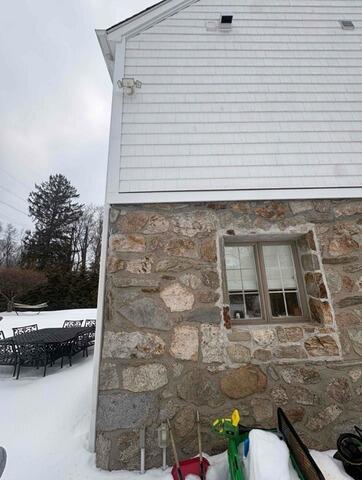
Before
The home had a radon level of 4.8 pCi/L with a crawl space foundation and no mitigation system in place prior to closing.
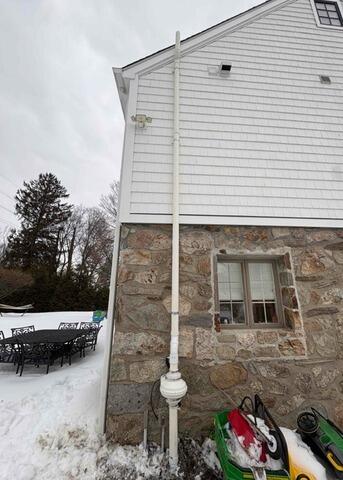
After (Planned Work)
A one-pipe crawl space radon mitigation system was designed to improve airflow beneath the home and help reduce radon levels before closing.
Radon Mitigation Planning and Crack Sealing Consultation in Wilton
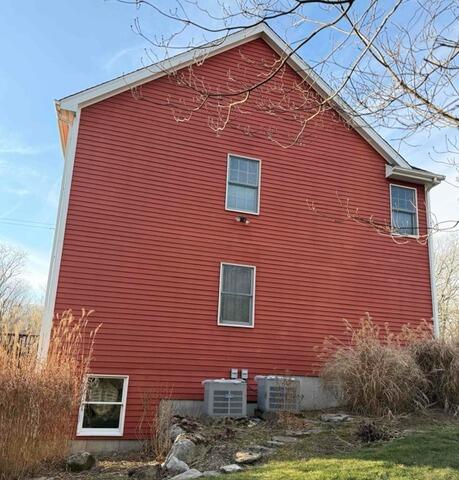
Before
The home had radon levels of 4.3 pCi/L with accessible basement foundation cracks and no active mitigation system installed.
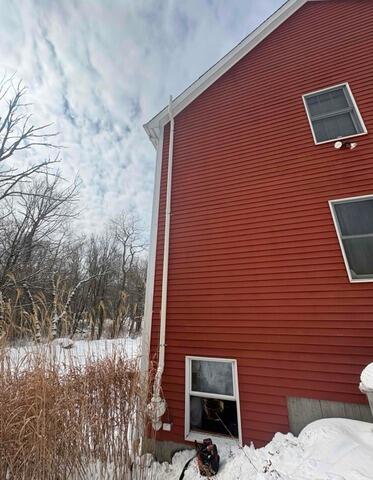
After (Planned Work)
A radon mitigation system and crack sealing plan were developed to improve airflow beneath the foundation while maintaining cleaner exterior vent placement on the home.
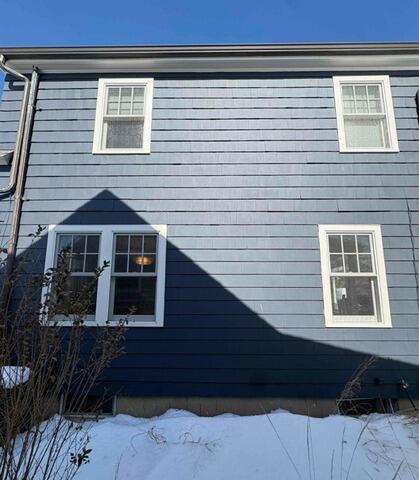
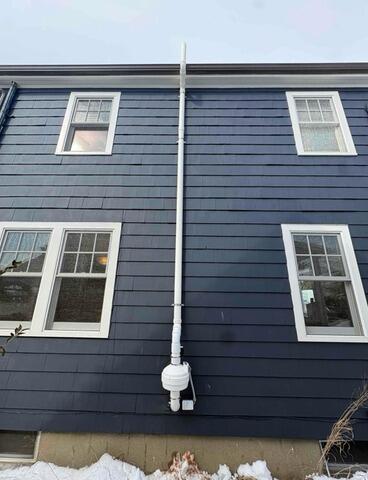
Radon Mitigation Consultation for Crawl Space and Foundation Home in Norwalk
Before
The home included a combination crawl space and concrete foundation layout with no active radon mitigation system in place.
After (Consultation / Planned Work)
The crawl space and foundation areas were evaluated to prepare for a mitigation strategy designed to improve airflow beneath the home and support long-term indoor air quality.
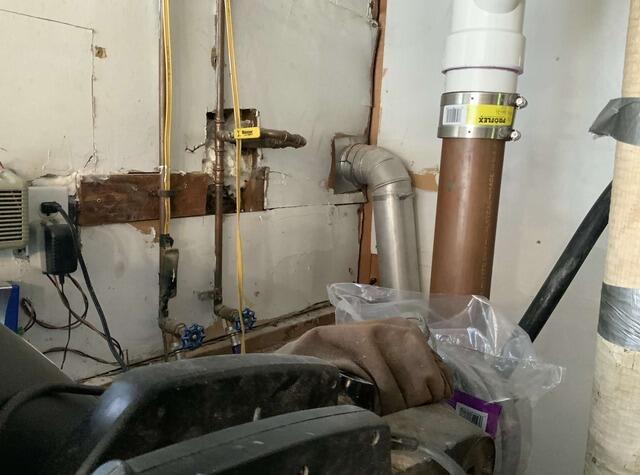
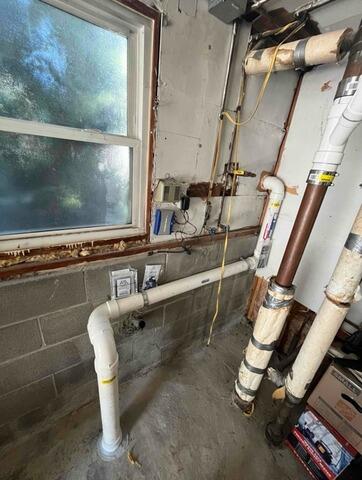
One-Point Radon Mitigation System Planned for Cornwall Bridge Home Interior
Before
Description:
Interior foundation area before installation of the new one-point radon mitigation system. The home had a radon level of 4.1 pCi/L, and the foundation layout was evaluated to determine the appropriate location for the extraction point.
After
Description:
Completed interior view showing the new radon mitigation piping installed as part of the one-point system. The piping connects to the extraction point and provides the pathway needed to draw radon from beneath the foundation and vent it safely outside.
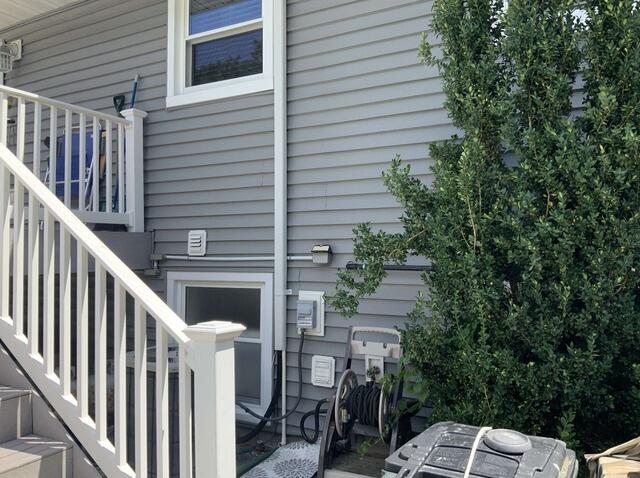
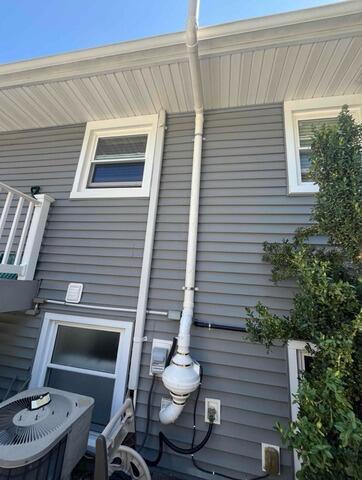
One-Point Radon Mitigation System Planned for Cornwall Bridge Home Exterior
Before
Description:
Exterior view of the Cornwall Bridge home before the radon mitigation system was installed. The rear of the home was selected as the planned exit point for the new radon piping, with the existing dryer vent opening considered for use if feasible.
After
Description:
Completed exterior view showing the new radon mitigation piping routed through the rear of the home. The piping provides a dedicated pathway for safely venting radon from beneath the foundation to the exterior
