Radon Mitigation Before & After Photos
Click on a photo to enlarge.
Before & After: Brookfield System Upgrade
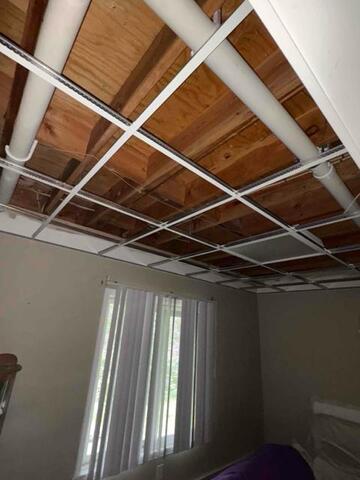
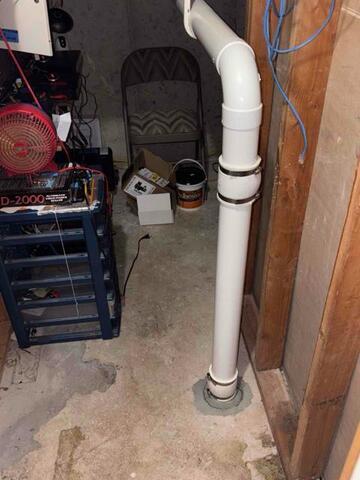
Before:
Fan recently replaced, but the home was operating with only three extraction points. Potential gaps in coverage remained in critical corners of the basement.
After:
A more comprehensive solution was completed by clearing all existing lines and adding two new suction points, optimizing airflow and ensuring robust radon reduction throughout the space.
Enhancing Radon Safety in a Historically Expanded Redding Home


Discover the significant improvements in radon mitigation in a Redding home with multiple foundations through our before and after visuals. Initially measuring a radon level of 4, we expanded the existing one-pipe system by adding three more pipes and considered replacing an outdated fan. Additionally, we installed a new system designed to work around complex structural elements like radiant heat floors. The after photos demonstrate the effectiveness of these systems in reducing radon levels across various parts of the home
Before & After: Real Estate-Ready Radon Mitigation in Redding


Before listing closes at the end of April, this Redding home required radon mitigation to address its level of 7.0 pCi/L. Our photos show the setup area near the well system on the right side of the home, and the after images highlight the clean exterior line and radon system in place—pending final placement confirmation with the homeowner. A fast, seller-friendly install with long-term health benefits.
Strategic Single-Pipe Install - Redding, CT
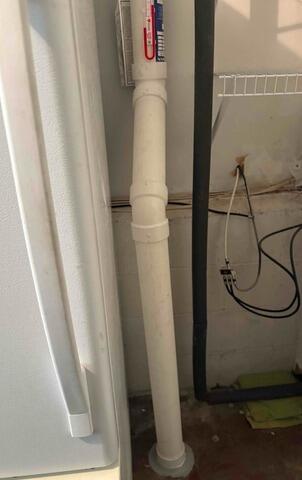
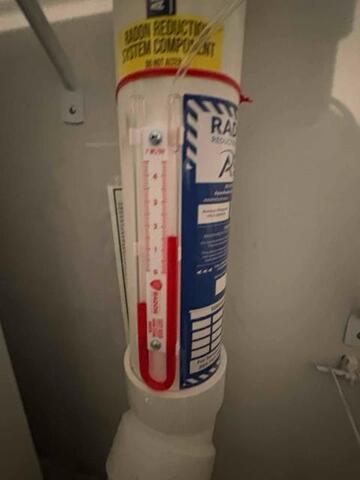
Before: No existing system, radon level at the action threshold.
After: One-pipe mitigation system added in the unfinished section, discreetly routed outside along the AC line, maintaining clean visuals and effective radon reduction.
Five-Pipe Radon Mitigation System with Crawl Space Sealing in Redding
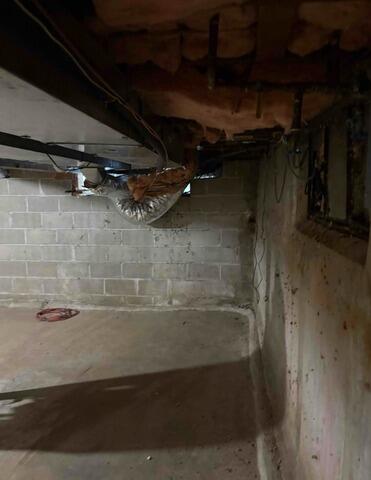
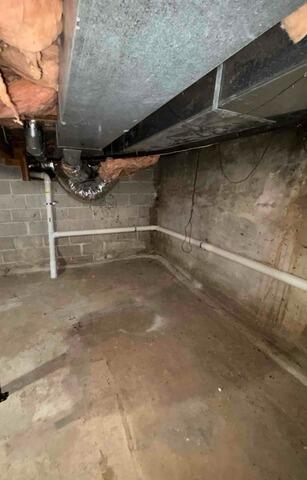
Before
The home had a radon level of 10 pCi/L with multiple foundation areas, crawl spaces, unsealed cracks, and no comprehensive system in place.
After
A five-pipe radon mitigation system was installed, including crawl space encapsulation, sump sealing, crack sealing, and multiple extraction points to provide full coverage across the property.
