Can Opening Windows Reduce Radon?
Can Opening Windows Reduce Radon?
Homeowners often look for simple ways to improve indoor air quality after learning about elevated radon levels. One of the most common questions is: Can opening windows reduce radon?
The short answer is yes — opening windows may temporarily lower radon levels by increasing ventilation and allowing indoor air to circulate. However, it’s important to understand that this is usually only a short-term improvement and not a permanent solution for elevated radon.
In this article, we’ll explain how ventilation affects radon, why opening windows alone may not fully solve the problem, and when professional radon mitigation becomes the safer long-term option for protecting indoor air quality.
Does Opening Windows Lower Radon Levels?
The Short-Term Effect of Ventilation
Opening windows can sometimes lower radon concentrations temporarily because it increases airflow and dilutes indoor air with outdoor air.
Fresh air entering the home may help:
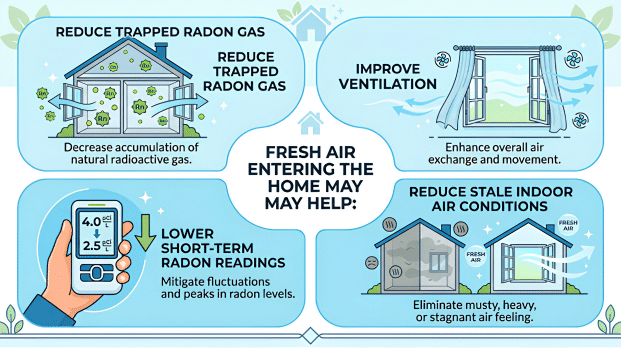
This effect is often more noticeable:
-
During mild weather
-
In homes with poor ventilation
-
In lower levels like basements
However, the improvement may only last while windows remain open.
Why Opening Windows Is Not a Permanent Solution
While ventilation can help temporarily, it does not stop radon from entering the home in the first place.
Radon Continues Entering from the Soil
Radon gas is constantly moving upward from beneath the home. If the source is not addressed, levels may quickly rise again after:
-
Windows are closed
-
Weather conditions change
-
HVAC systems cycle
-
Air pressure shifts indoors
This is why homes with elevated radon typically require mitigation systems designed specifically to control soil gas entry.
Seasonal Challenges
In colder climates, homeowners often cannot leave windows open year-round. During winter months, homes become more tightly sealed, which may actually increase indoor radon accumulation.
Opening windows continuously may also:
-
Reduce heating efficiency
-
Increase energy costs
-
Affect humidity control
-
Create inconsistent indoor comfort
For these reasons, ventilation alone is generally not considered a reliable long-term radon reduction strategy.
How Professional Radon Mitigation Works
When elevated radon levels are confirmed through testing, the most effective solution is usually professional radon mitigation.
Common Mitigation Methods
Most radon mitigation systems use:
-
Sub-slab depressurization
-
Specialized vent piping
-
Continuous radon fans
-
Exterior vent discharge systems
These systems work by creating suction beneath the foundation and safely redirecting radon gas outdoors before it enters living spaces.
Unlike opening windows, mitigation systems operate continuously and provide long-term radon control regardless of weather or season.
Can Better Ventilation Improve Indoor Air Quality?
Absolutely. While ventilation alone may not solve elevated radon problems, improving airflow throughout the home can still support healthier indoor air overall.
Indoor Air Quality Is a Whole-Home System
At Apex Radon Solutions, we look at homes as complete indoor environments. Ventilation, filtration, humidity control, HVAC performance, and radon mitigation all work together to influence indoor air quality.
In some situations, homeowners may benefit from:
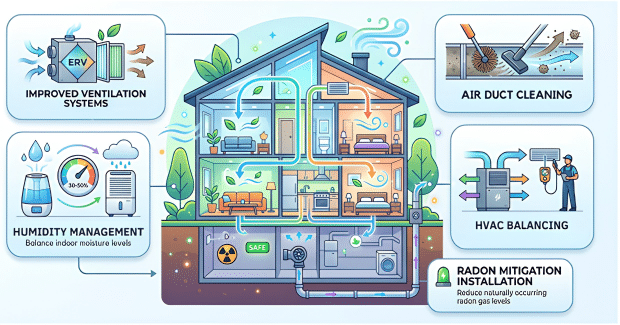
The right solution depends on the home’s structure, airflow patterns, and radon levels.
Should You Test Again After Opening Windows?
One important thing homeowners should understand is that opening windows before or during a radon test can affect the accuracy of results.
Why Closed-House Conditions Matter
Short-term radon testing usually requires:
-
Windows to remain closed
-
Exterior doors kept shut except for normal entry and exit
-
Stable indoor conditions
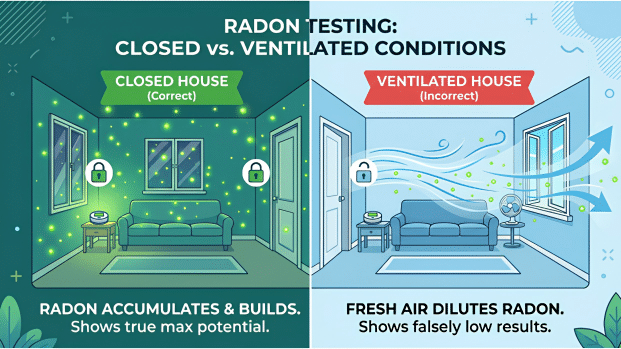
This helps produce more reliable readings that reflect normal living conditions inside the home.
If windows remain open during testing, radon levels may appear artificially lower than they actually are during everyday occupancy.
Signs You Should Consider Professional Radon Testing
Homeowners should consider Radon Testing if:
-
The home has never been tested
-
A real estate transaction is occurring
-
Basement renovations are planned
-
Neighboring homes have elevated radon
-
Existing mitigation systems are aging
-
Indoor air quality concerns exist
Since radon cannot be detected without specialized equipment, testing remains the first and most important step.
Trusted Radon Testing and Mitigation Solutions
At Apex Radon Solutions, we believe homeowners deserve clear answers and practical guidance when it comes to indoor air quality. Whether you’re exploring simple ventilation improvements or need professional radon mitigation services, our team is here to help you understand your options with confidence.
If you have questions about radon testing, mitigation systems, or improving indoor air quality in your home, contact Apex Radon Solutions today to learn more about creating a healthier and safer living environment for your family.
