Radon Removal: How to Reduce Radon in Homes
Radon Removal: Protecting Your Home and Family
Radon is one of the most overlooked indoor air quality problems in homes today. Because it is colorless, odorless, and naturally occurring, many homeowners never realize they have elevated radon levels until testing is performed. The good news is that radon problems can be corrected using proven mitigation systems that safely reduce exposure.
In this guide, we’ll explain how radon removal works, how to reduce radon in homes, what a radon removal fan does, and the cost of installing a mitigation system. We’ll also cover when homeowners should consider radon fan replacement and why professional installation matters for long-term performance.
What Is Radon and Why Does It Matter?
Radon is a radioactive gas that forms naturally in soil and rock. It can enter homes through cracks in foundations, sump pits, crawl spaces, and other openings. Once trapped indoors, radon levels can build up over time.
According to the United States Environmental Protection Agency, long-term exposure to elevated radon is one of the leading causes of lung cancer among non-smokers. Because radon cannot be seen or smelled, testing is the only way to know if a home has a problem.
Many homeowners are surprised to learn that both old and newly built homes can have high radon levels. The role of construction style, soil conditions, and ventilation is significant.
How to Reduce Radon in Homes
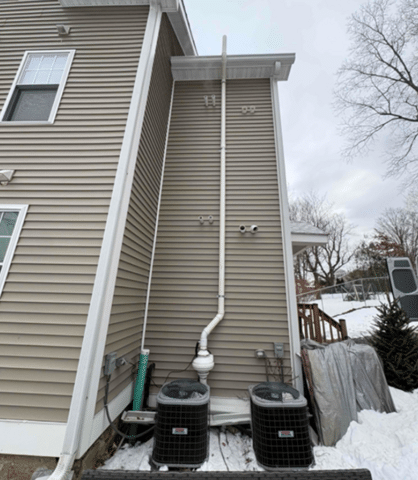
The most effective way to reduce radon in homes is through a professionally installed radon mitigation system. These systems are specifically designed to draw radon gas from beneath the home and safely vent it above the roofline before it can enter living spaces.
Common Radon Reduction Methods
Sub-Slab Depressurization (SSD)
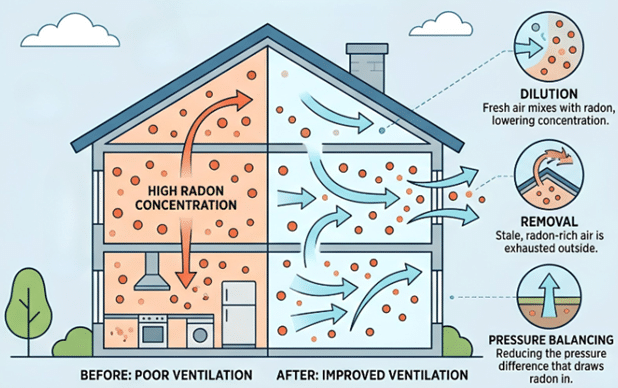
In some cases, ventilation improvements may help lower radon levels, although they are usually not enough on their own for elevated readings.
Every home is different, which is why proper system design matters. A mitigation system should be based on the structure, foundation type, airflow characteristics, and radon test results of the home.
What Does a Radon Removal Fan Do?
A radon removal fan is the heart of the mitigation system. The fan creates continuous suction beneath the home, helping prevent radon gas from entering indoor living areas.
Why Is the Fan Important?
The fan operates 24 hours a day to maintain negative pressure under the foundation. Without proper airflow, radon gas can continue seeping into the home.
A professionally selected and installed fan helps:
-
Reduce indoor radon levels
-
Improve system efficiency
-
Lower noise and vibration
-
Support long-term reliability
Modern radon fans are designed for continuous operation and energy efficiency, but like any mechanical component, they eventually wear out over time.
Radon Fan Installation and Replacement
When Is Radon Fan Installation Needed?
Typically, professionals install a new radon fan as part of a complete mitigation system after they discover elevated radon levels during testing.
Professional installation helps ensure:
-
Proper airflow performance
-
Correct pipe sizing
-
Safe electrical connections
-
Effective vent placement
-
Compliance with mitigation standards
Signs You May Need Radon Fan Replacement
Most radon fans last around 5–10 years, depending on operating conditions. Homeowners may need a radon fan replacement if they notice:
-
Increased system noise
-
Warning monitor alerts
-
Reduced suction
-
Higher radon readings
-
Fan vibration or failure
Replacing a failing fan quickly is important because elevated radon levels can return if the system stops functioning properly.
Possible Cost of Radon Removal
One of the most common questions homeowners ask is about the cost of radon removal. The total price depends on several factors, including foundation type, home layout, accessibility, and system complexity.
Average Radon Mitigation Costs
Typical radon mitigation systems may range from:
-
$800 to $2,500+ for most residential homes
-
Additional costs may apply for:
-
Crawl space encapsulation
-
Complex pipe routing
-
Multiple suction points
-
Electrical upgrades
-
Premium fan systems
While cost is important, system quality and proper installation matter just as much. A well-designed mitigation system should effectively reduce radon levels while operating safely and efficiently for years to come.
Why Professional Radon Removal Matters
Radon mitigation is not a one-size-fits-all service. Proper diagnostics, fan sizing, suction design, and post-installation testing all play a role in achieving safe results.
Working with an experienced radon professional helps homeowners:
-
Understand their radon levels
-
Choose the right mitigation approach
-
Improve indoor air quality
-
Maintain system performance long-term
The goal is not simply installing equipment; it’s creating a healthier, safer home environment for your family.
Protect Your Home with Trusted Radon Solutions
At Apex Radon Solutions, we believe homeowners deserve clear information, reliable service, and solutions that truly improve indoor air quality. Whether you need professional radon removal services, a new radon fan installation, or a radon fan replacement, our team is here to help you make informed decisions with confidence.
If you’re ready to learn more about reducing radon levels in your home, contact Apex Radon Solutions today to schedule professional testing or mitigation services.
