Radon Mitigation Before & After Photos
Click on a photo to enlarge.
Two-Pipe Radon Mitigation System Planned for Shelton Home
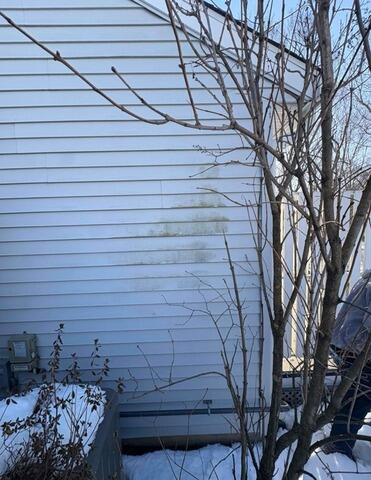
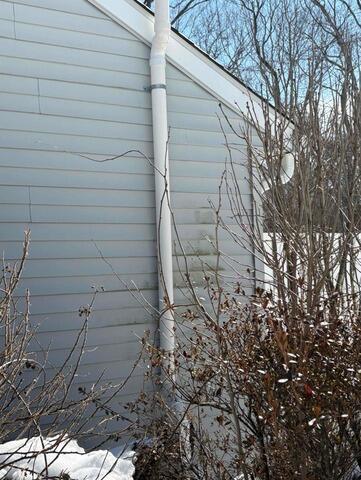
Before
The home tested at 21.1 pCi/L with no active radon mitigation system in place prior to the new homeowners moving in.
After (Planned Work)
A two-pipe radon mitigation system is planned to improve airflow beneath the foundation and reduce elevated radon levels throughout the home.
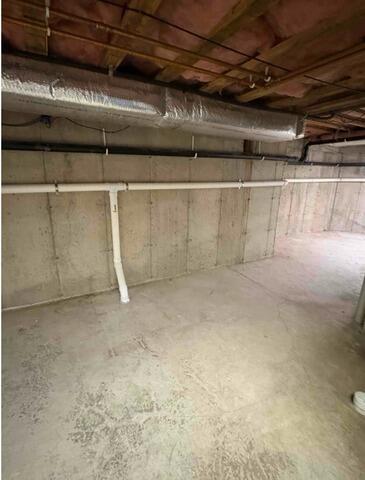
Radon Mitigation Plan for Large Home in Watertown (Foundation Wall / Secondary Area)
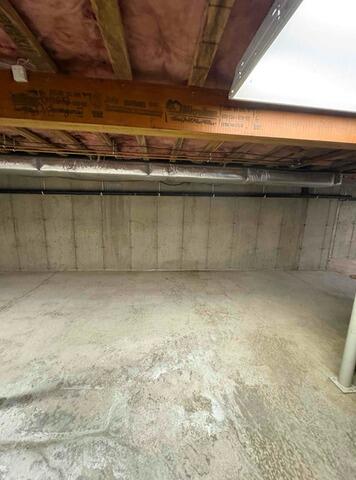
Before
The secondary basement area along the foundation wall had no radon system in place, with exposed concrete and no extraction point.
After
A radon mitigation pipe was installed along the foundation wall, routed to provide additional coverage and improve overall system performance.
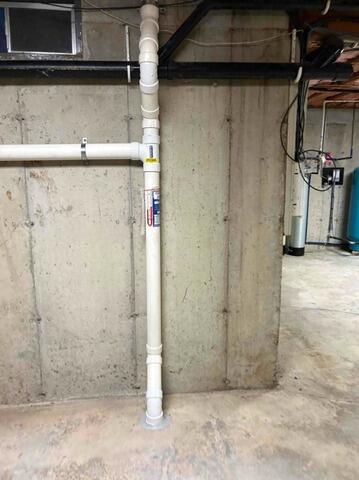
Radon Mitigation Plan for Large Home in Watertown (Primary Basement Area)
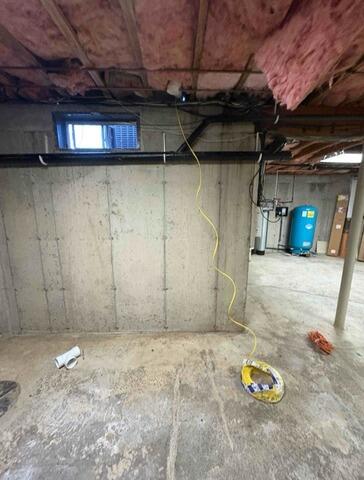
Before
The main basement area had no radon mitigation system in place, with open floor space and no visible piping or suction points.
After
A radon mitigation pipe was installed in the main basement area, positioned to create an effective suction point while maintaining a clean and unobstructed layout.
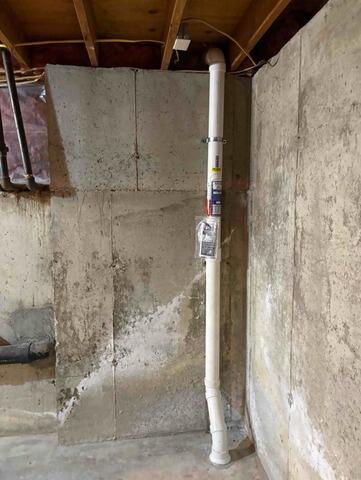
Radon Mitigation System Installed in Watertown Condo Interior
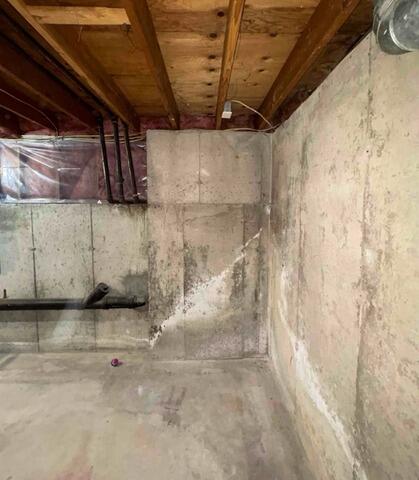
Before
The small unfinished basement had no radon mitigation system in place, with no piping or suction point installed.
After
A radon mitigation pipe was installed in the basement, creating an effective suction point within the limited space.
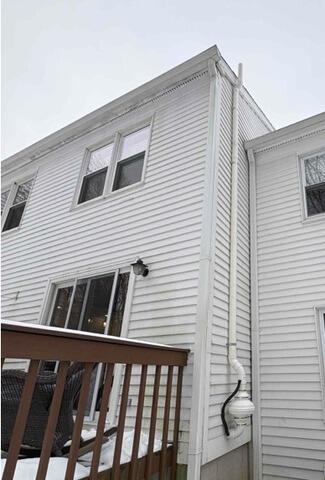
Radon Mitigation System Installed in Watertown Condo Exterior
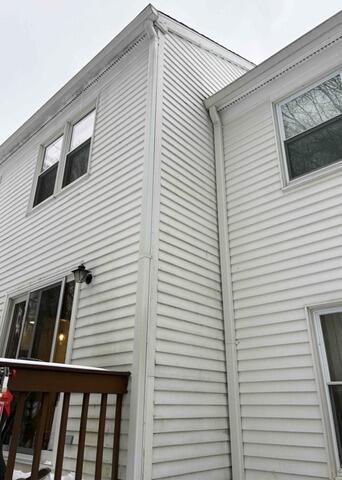
Before
The exterior of the condo had no radon mitigation system in place, with no visible piping along the building.
After
A radon mitigation pipe was installed on the exterior and routed to safely vent above the roofline.
