Radon Mitigation Before & After Photos
Click on a photo to enlarge.
Radon System Upgraded with Additional Extraction and Fan Evaluation in Naugatuck- Primary Area
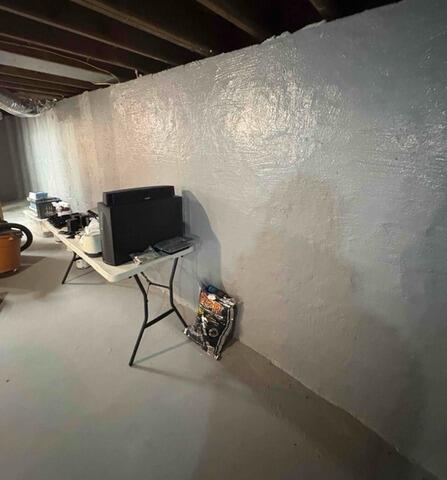
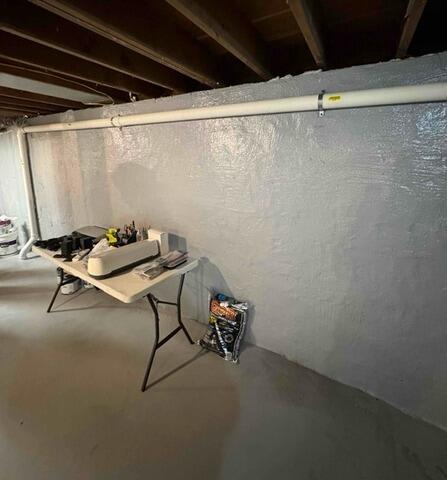
Before
The basement area had an existing setup with limited coverage, and the original extraction point had not been recently cleaned.
After
The system was improved by cleaning out the existing extraction point and optimizing airflow to support better performance.
Radon System Upgraded with Additional Extraction and Fan Evaluation in Naugatuck- Far Corner
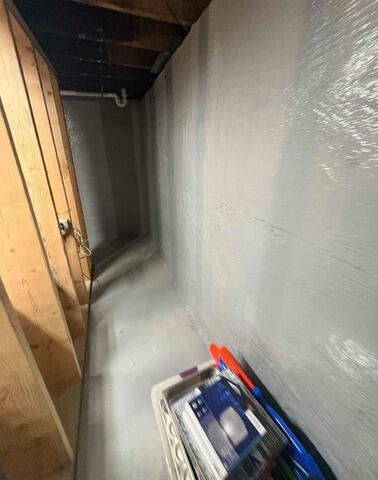
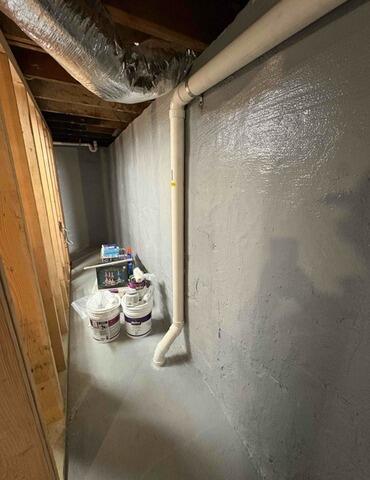
Before
The far corner of the basement had no extraction point, leaving part of the space without direct radon coverage.
After
A new extraction point was added in the far corner to improve coverage and overall system effectiveness.
Before and After Radon Reduction in Waterbury


Discover the transformative effect of radon mitigation in a 1975 raised ranch home in Waterbury through our before and after visuals. Initially dealing with a radon level of 7.7, our project involved implementing a radon mitigation system designed to meet the specific challenges of the home, including the lack of a moisture guard. The after photos illustrate the new system in operation, effectively lowering radon levels and ensuring a safer living environment.
A Breath of Fresh Air: Radon System Transformation in Waterbury
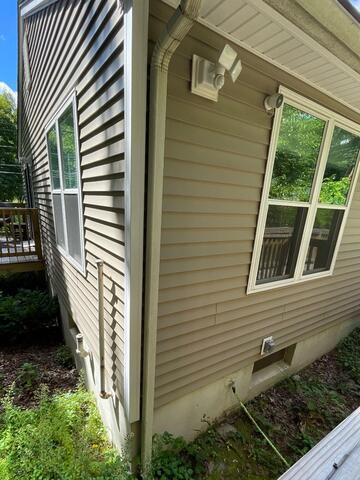
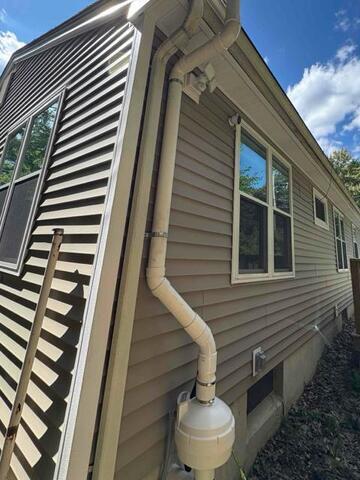
Before our system was installed, the home had no radon protection — a risk for any homeowner. With strategic placement near the oil tank and at the front of the house, the new mitigation system now keeps this home’s air safe and clean. See the side-by-side difference and how we maintained the home’s style while improving its safety.
Radon Mitigation Planning for Raised Ranch Home in Waterbury
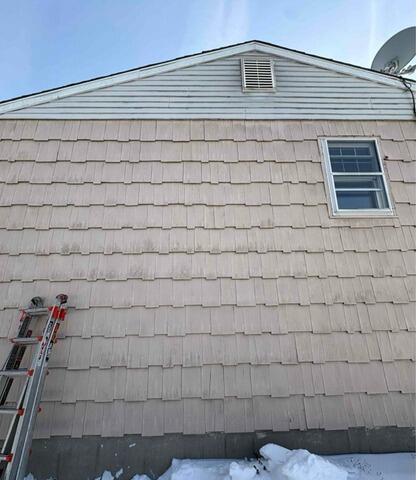
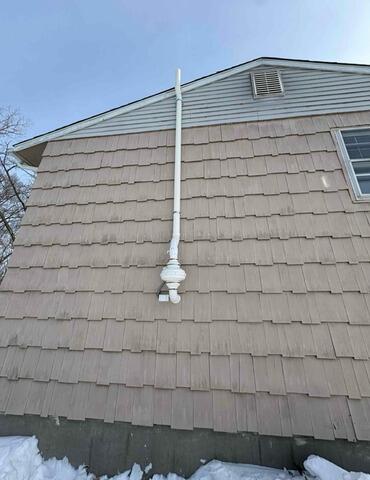
Before
The home had a radon level of 5.3 pCi/L with no mitigation system in place and system placement still under review as part of the home sale process.
After (Planned Work)
A radon mitigation system is planned for the laundry room area at the rear of the basement, with final placement to be confirmed with the new homeowner.
