Professional Radon Testing & Radon Mitigation in Fairfield County, CT
-
 Norwalk, CTFriday, Feb 7th, 2025"Martia was a pro and walked me through process every step..."
 -
 Sandy Hook, CTMonday, Jan 8th, 2024
 -
Stratford, CTFriday, Aug 16th, 2024
Fairfield County, CT's trusted radon mitigation company
Did you know that home radon is one of the leading causes of cancer among non-smokers? This hazardous gas is also odorless, tasteless, and virtually undetectable without the right radon testing equipment. Radon gas is also found in every state across the nation and is not limited to basements — we can find elevated radon levels in rooms as high as the second story!
That's why Apex Radon Solutions approaches every home and property with individual solutions adapted to their unique situation. We are a professionally-trained and certified radon testing and mitigation company providing innovative solutions for home and property owners throughout Fairfield County. And as a National Radon Defense dealer, we have access to innovative radon testing and mitigation solutions, continuous training, and best practices from the best minds in the industry. So you can have absolute confidence in our services!
In addition to radon mitigation, we also help improve overall indoor air quality through solutions like air purifiers, dehumidifiers, and professional air duct cleaning to reduce airborne contaminants circulating throughout your home.
Benefits of hiring a contractor in the National Radon Defense network:
- Licensed radon mitigation company
- Industry-leading radon mitigation systems
- Extensively trained & knowledgeable radon testing & mitigation specialists
- Free, no-obligation, in-home consultations
Even though home and property owners should not underestimate the risks of high radon levels, with radon mitigation experts like Apex Radon Solutions, there's no need to worry. Our crew can conduct radon testing using a continuous radon detector over a 48-hour period and determine the source of the hazardous gas and the levels present in the building. After, we can develop a custom radon mitigation solution to lower hazardous levels! Plus, we even provide other indoor air quality solutions to ensure the healthier, cleaner air that you deserve. This includes air purifiers, dehumidifiers, air duct cleaning, air filters, and more! Click below to schedule a radon test or a free radon mitigation estimate in Fairfield County, CT and nearby.
Reliable radon testing & radon mitigation services in Fairfield County, CT
Radon gas is an invisible, odorless, and naturally occurring toxic gas. Exposure to high radon levels can lead to cancer or other health complications. Radon exposure can be even more hazardous to children and people who are immunocompromised. Learn more about the health impacts of radon exposure below:
- Radon is the #1 cause of lung cancer among non-smokers in the United States.
- More than 20,000 Americans die of radon-related lung cancer every year.
- Radon is a more significant health risk for children than adults.
- Breathing radon poses a greater health risk than ingesting water that contains radon.
- Smokers exposed to radon will substantially increase their likelihood of developing lung cancer.
Apex Radon Solutions helps keep Fairfield County homes and buildings safe with quality radon testing and mitigation solutions. Even if you already have an existing radon reduction system, we can inspect it to make sure it is still keeping your property safe! Contact Apex Radon Solutions to hear about our radon testing, radon mitigation, and radon abatement services in and around Fairfield County, CT.
Air purifiers, dehumidifiers, air duct cleaning & other indoor air quality solutions
While home and property owners need to stay vigilant against high radon levels, it is not the only air pollutant that can cause health problems. Pollen, pet dander, mold spores, dust buildup, and contaminants trapped within HVAC systems can all impact the air you breathe.
That’s why Apex Radon Solutions offers a full range of indoor air quality solutions in Fairfield County, including professional air duct cleaning to remove dust, debris, and allergens from your ductwork and improve overall air circulation throughout your home.
So if you have concerns about the indoor air quality of your home or building, contact Apex Radon Solutions about our products and services, which include:
- Radon testing
- Radon mitigation
- Multi-family radon mitigation
- Energy Recovery Ventilator
- Vapor Intrusion Mitigation
- Breathe EZ Air Cleaner
- Breathe EZ UV Light
- Air purifier
- Dehumidifiers
- Air duct cleaning
Schedule radon testing & a free radon mitigation estimate!
Worried about high radon levels or want to get rid of other airborne contaminants in your home or property? If so, contact Apex Radon Solutions today to get radon testing or to schedule a free estimate on our indoor air quality solutions, which include radon mitigation, air purifier installation, dehumidifiers, air duct cleaning, energy recovery ventilators, and more! We proudly serve Connecticut homeowners in Fairfield County and nearby.


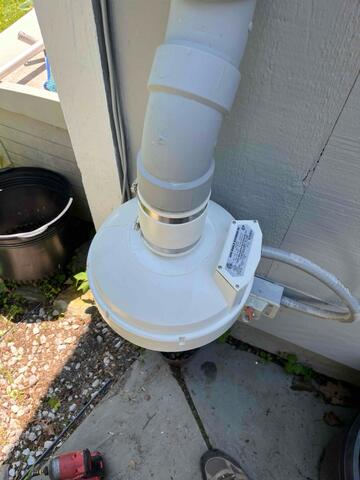
In Bridgeport, we've successfully installed a state-of-the-art Radon Mitigation System in homes, specifically aimed at significantly lowering the initial radon levels. This advanced system is engineered to effectively reduce radon, a naturally occurring radioactive gas, to safer levels, ensuring the health and safety of households. Our dedicated effort in addressing this critical environmental issue reflects our commitment to ensuring a healthier living environment for each household in the Bridgeport area.

We've expertly executed a dual project involving Radon Mitigation and Crawl Space Encapsulation. This integrated approach effectively reduces radon levels while also protecting homes from moisture, pests, and mold through encapsulation of crawl spaces. Our tailored solution enhances indoor air quality and provides long-term protection for homes in Westport, ensuring a healthier and more secure living environment.

In Newtown, we've enhanced our Radon Mitigation System with the addition of a sump pump cover, Aspen purifier, and extra extraction features. This comprehensive system not only reduces radon levels but also improves overall air quality, offering an advanced solution for a safer and healthier home environment in Newtown.

We recently had the privilege of designing and installing a custom radon mitigation system for a charming ranch-style home in Trumbull, Connecticut. Built in 1959, this 1,950 square-foot residence presented a unique set of challenges and opportunities for our team. Project Overview: Home Style: Ranch, built in 1959 Size: 1,950 sq. ft. Location: Trumbull, CT Initial Radon Level: 5.8 pCi/L Mitigation Area: Includes a crawl space, sealed off without a sump pump, and featuring 2 sewer holes in the floor. Mitigation Strategy: The project entailed sealing off the crawl space effectively and strategically placing the radon mitigation system to ensure optimal radon gas reduction. Given the structure of the home and the initial radon level of 5.8 pCi/L, our approach was meticulous and tailored to the home's specific needs. The system's vent pipe was discreetly positioned to enter through a closet, pass through the garage, and exit up the right side of the house—when facing the home's front. This routing not only ensures efficiency in radon reduction but also maintains the aesthetic integrity of the property. Outcome: This installation exemplifies our commitment to enhancing indoor air quality through innovative radon mitigation solutions. By addressing the home’s unique characteristics and the homeowner's specific concerns, we have significantly reduced the radon levels, ensuring a safer living environment for the occupants. We are proud to contribute to the health and safety of the Trumbull community by providing effective radon mitigation services tailored to each home's unique structure and needs. Our team remains dedicated to offering peace of mind through professional excellence and unparalleled service.

In the picturesque town of Fairfield, CT, a 1950s home presented a challenge that could no longer be overlooked. With radon levels reaching an alarming 11 both in the basement and on the slab, the need for an effective mitigation strategy was evident. Our team took on the project with precision and a commitment to not only lower these levels but also to ensure the safety and peace of mind for the home's residents. Process Details: The cornerstone of our approach was the installation of the Eagle Extreme fan, a choice driven by its exceptional performance in reducing radon levels. This system was integrated with two meticulously positioned pipes—one embedded in the foundation and the other within the slab. These pipes, working in harmony, channel radon from beneath the house and expel it through the left side, preventing it from entering the living spaces. A crucial aspect of our strategy was the decision to keep the sump pump uncovered. This choice was made to maintain the pump's accessibility and functionality, considering the home's existing water management needs. However, to complement the radon mitigation efforts and address the potential for moisture-related issues, a moisture guard was installed. This addition ensures that the mitigation system operates optimally, by preventing excess humidity from compromising the system's efficiency. Added Assurance: Understanding the importance of long-term reliability, the installation was completed with the addition of a warranty for the system. This warranty represents our commitment to quality and the homeowner's assurance of a sustained reduction in radon levels. Conclusion: With the gauge now reading a significantly reduced 2.5, the installation marks a substantial improvement in the home's indoor air quality. The combination of the Eagle Extreme fan, strategic piping, moisture guard, and the warranty encapsulates our holistic approach to radon mitigation. This Fairfield home now stands as a testament to the effectiveness of modern mitigation techniques, ensuring a safer environment for its inhabitants.

This home, a ranch-style residence built in 1956 located in Stamford, Connecticut, had its charm but faced a modern hazard: elevated radon levels averaging 5.2 across three tests. With a mostly finished basement and the absence of sump pumps, the situation necessitated a tailored solution. The chosen mitigation strategy involved the installation of a radon reduction system. This system was strategically placed outside near the air conditioning unit, with piping elbowing towards the front of the house for optimal radon venting. An additional radon cover was brought in to ensure system durability and efficiency. To finalize the service, the homeowners were instructed to leave a check outside for the work completed, streamlining the process for both parties involved. This intervention not only secured the structural integrity of the home but also the health of its inhabitants.

Tasked with mitigating high radon levels in a 1959 ranch-style home recently put up for estate sale, our team faced unique challenges. Both the previous owners had passed away, leaving the home to their family. A critical part of the installation involved coordinating with the sister of the deceased to move a piece of furniture that was blocking access to an essential work area. With the door code 1680 providing entry, our team installed a robust radon mitigation system with dual extraction points and upgraded sump pump seals, significantly reducing the radon levels and ensuring the home’s safety for future residents.
4

Addressing the high radon levels in a grand 5200 sq ft colonial home in Stamford posed a unique challenge. The discovery of two pre-installed pipes in the foundation during our initial site evaluation sparked a tailored solution. By converting these into a functional two-pipe radon mitigation system and situating it in the home’s large utility room, we managed to effectively tackle the radon issue head-on. This strategic placement allowed us to enhance the system's efficiency and maintain the integrity of the home’s design, ensuring that the property remains both safe and aesthetically pleasing for its residents.

When Melanie visited the Wilton property for a consultation, homeowner Matthew emphasized the importance of both safety and aesthetic appeal in the installation of a radon mitigation system. Taking these factors into account, our installation team designed a system that not only addressed the radon levels effectively but also maintained the home’s visual integrity. The system was installed in the utility room with the vent pipe directed towards a downspout, cleverly hiding the fan behind a lattice fence. Aware of the large basement size, we also discussed the potential addition of a second system, ensuring the homeowners are prepared for comprehensive radon mitigation if needed. This thoughtful planning and execution underscore our commitment to delivering solutions that meet both safety standards and homeowner expectations.


When tasked with installing a radon mitigation system in a Stamford home built around 1980, careful consideration was given to integrate the system without altering the home’s original structure. The property, which showed a radon level of 4.5 pCi/L, lacked sump pumps and presented no cracks, posing a challenge for the placement of the mitigation system. By following Option 2 from our clipboard plans, the system was installed to utilize the single foundation setup, placing components where they would be most effective yet least intrusive. This careful planning and execution ensured that the radon levels were controlled, enhancing the home’s safety while respecting its architectural heritage.

Installing a radon mitigation system in a Norwalk home with an unusual foundation layout required innovative problem-solving and precise execution. The property, featuring two crawl spaces and a radon level of 5.5 pCi/L, needed a tailored approach. Our team designed a three-pipe system: one pipe was embedded in the block foundation to capture radon from the main structural elements, another was routed through the enclosed crawl space to address radon accumulation there, and a third extended from an area near the balcony. The pipes were directed to exit discreetly beside the balcony door and run up the right side of the house, ensuring effective radon mitigation without compromising the home’s exterior design or homeowner’s daily experience. This installation not only tackled the radon issue effectively but also preserved the integrity and beauty of the home’s design, providing peace of mind and safety to the residents.

Our recent project in Weston involved a comprehensive overhaul of an existing radon mitigation system to better protect homeowners from radon exposure. Starting with a radon level of 2, we relocated the fin from the basement to an exterior position adjacent to the bilco door and replaced the existing piping with robust scheduled 40” pipes. We installed three new extraction points to ensure thorough radon removal and serviced the existing Sedona air dehumidifier to enhance overall air quality. This project highlights our commitment to delivering high-quality, customized radon mitigation solutions.


In preparation for selling a Stamford home built in 1971 with a dangerously high radon level of 10, our team undertook a meticulous radon mitigation project. The system was installed adjacent to the sump pump in the finished basement, requiring a tall ladder for precise placement. This job not only ensured the reduction of radon levels but also enhanced the home's marketability, offering peace of mind to potential buyers about the property's safety.

Faced with the challenge of implementing a radon mitigation system in a new, fully finished Riverside home built in 2020, our team had to think outside the box. With no passive system or sump pump in place, the solution involved cutting through the bedroom and ceiling drywall, extending the mitigation system outside, and integrating it up the structure's brown siding. This project highlights our commitment to delivering safety through innovative, tailored radon mitigation strategies.

This Stamford radon mitigation project presented unique challenges: a high radon level of 11.6 in a semi-finished basement of a house built in 1966, and the presence of a non-friendly dog. With no existing sump pump or large cracks, our team installed a two-pipe system after ensuring the homeowner secured the dog. Communication was key, as I explained any potential changes or additional charges would be discussed before proceeding, ensuring transparency and preparedness for unforeseen adjustments.

Our latest project in Stratford required detailed coordination and meticulous execution. We filled old drain holes with cement and installed a radon pipe behind a pedestrian door in the basement, carefully positioning it to the left of a small window. This project highlights our commitment to tailored radon mitigation solutions and financial clarity.

When a teacher in Newtown purchased a home only to discover high radon levels, she was ready to take immediate action to ensure the safety of her living space. Our task was to design and implement a radon mitigation system that would effectively reduce radon levels to a safe range. Throughout the project, we maintained open communication, ensuring that she was informed and comfortable with each step of the process, mirroring the educational values she cherishes in her own profession.

Addressing the radon challenge in a Stratford home built in 1958, our team implemented a streamlined solution to reduce a radon level of 6.9. The project involved covering and sealing the existing sump pump and strategically placing a one-pipe radon mitigation system to the right of the bilco door. This approach minimized disruption to the home’s structure while maximizing radon reduction, showcasing our commitment to efficient and effective radon mitigation solutions.

In tackling the radon issue in a 1961 Wilton home with a level of 7.3, we provided a customized approach that resonated with the homeowner’s needs. During the consultation, the placement of the radon system was strategically decided to ensure efficiency and homeowner comfort. Special attention was given to sealing potential entry points for pests, particularly following an incident with a bat. The project also included sealing the sump pump and addressing inaccessible areas around the basement, with plans for further action based on the homeowner's ongoing feedback and a full water test scheduled for the next visit. This comprehensive approach highlights our commitment to detailed, client-focused service and ensuring long-term safety and satisfaction.

In Bridgeport, a homeowner sought to enhance his 1949 home’s basement, which is on the path to being finished and already features a robust waterproofing system by CT Basement Systems. Facing a radon level of 3.5, we installed a radon mitigation system that works in tandem with the existing Waterguard system and a Sedona dehumidifier to control humidity levels effectively. This project underscores our commitment to providing holistic solutions that not only reduce radon levels but also improve overall air quality and readiness of the space for future refinishing, ensuring a safe and comfortable basement environment.

In Wilton, CT, a 1956 ranch-style home faced a challenging radon level of 7.4. With no existing sump pump, our task was to design a radon mitigation system that could efficiently reduce indoor radon levels while integrating smoothly with the home's structure. The solution involved running the mitigation pipe through the interior, exiting through the garage roof. Wide Melissa, the homeowner, facilitated the process by providing access through the right side door of the house. Our team ensured floor protection with tarps and executed a flawless installation, plumbing the radon reduction system through the roof for optimal performance and minimal visual impact. This project highlights our expertise in customizing radon mitigation solutions tailored to specific home layouts and homeowner needs.

In 1977, a split-level home in Stamford, CT, was confronted with a radon level of 7.4. Our project involved designing a dual-pipe radon mitigation system tailored to the unique structure of the home—with one pipe installed in the slab and another in the unfinished basement. The external pipes were strategically placed around a corner near the fireplace and extended up to the highest peak of the house to maximize radon exhaust efficiency. This installation highlights our commitment to providing customized and effective radon mitigation solutions that respect the architectural integrity and aesthetic values of each home we service.

In Newtown, CT, a homeowner reached out for radon mitigation in their 1950s home, referred by a family member concerned about the home's initial radon level of 8.7. Our team responded with a custom-designed one-pipe system installation near the electrical box—chosen for its safe distance from the home’s main living areas and lack of structural complications like sump pumps or cracks. This thoughtful placement not only ensured effective radon reduction but also maintained the integrity and aesthetic of this vintage property.

Faced with a critical radon level of 10 in a Norwalk duplex built in 2014, with adjacent units experiencing even higher levels, our team devised a tailored radon mitigation strategy. The project involved cutting all extraction points to inspect foundation conditions, replacing inadequate fans, and adding new extraction points where necessary. In unit 67A, we installed a third pipe and sealed the sump pump, while in 67B, we replaced the attic fan and cleaned existing points. This approach ensured comprehensive coverage and optimal radon reduction tailored to the unique challenges of each unit.

In Trumbull, CT, a homeowner faced a challenging radon level of 9.6 in their 1954-built ranch-style home. To address this, our team redesigned the radon mitigation approach by adding a two-pipe system and installing a new sump pump equipped with a ⅓ horsepower motor and a customized cover. This tailored solution not only addressed the radon issue effectively but also integrated seamlessly with the home’s existing infrastructure, ensuring both efficacy and aesthetic preservation.

In 2002, a grand Westport home spanning 120,000 sq ft faced issues with a noisy radon mitigation fan and an average radon level of 2.2. The homeowner desired a quieter and more efficient system to ensure optimal indoor air quality. Our tailored approach included replacing the noisy fan and deploying three radon Continuous Radon Monitors (CRMs) in key locations: the home's basketball court, gym, and wine cellar. This precision-targeted installation underscores our commitment to providing bespoke solutions that cater to the unique needs and amenities of luxury properties.

In Westport, CT, a homeowner was dissatisfied with the noise from an existing radon mitigation fan in their 2002-built, 120,000 sq ft mansion. With an average radon level of 2.2, they aimed not only to reduce the noise but also to explore options for healthier air. Our solution involved installing a new, quieter fan and deploying three radon CRMs to ensure continuous monitoring and adjustment. Positioned in the mansion’s basketball court, gym, and wine cellar, these measures were designed to maintain optimal air quality across diverse living spaces.

In Shelton, CT, a homeowner was challenged with radon levels that persistently exceeded safe limits despite an extensive existing mitigation system. Our team was tasked with overhauling the system, which involved capping and sealing two unnecessary extraction points, thoroughly cleaning viable points, replacing outdated fans with a Legend Extreme fan, and adjusting the ERV along with fixing and optimizing ductwork. This detailed approach not only reduced radon levels but also improved the overall efficiency and effectiveness of the home's air quality systems.

In Sandy Hook, CT, a homeowner faced a critical radon level of 27.8 detected in their 1970-built home. With no sump pump and the presence of significant structural cracks, our solution included extensive crack sealing and the installation of a radon mitigation system that covered both the main unfinished area and an addition exposed to the outdoors. This project underscores our expertise in customizing radon mitigation solutions to meet the specific needs of older homes with complex architectures while awaiting further test results from Alpha Energy.

In Redding, a unique home with seven foundations, including three crawl spaces and radiant heat flooring, presented a radon mitigation challenge. Originally built in 1930 with subsequent additions, the home required a comprehensive update to its decades-old radon mitigation system. We added three new pipes to the existing setup and installed a second system specifically designed to navigate below radiant heated floors without disruption. This project highlights our ability to adapt radon mitigation strategies to homes with complex architectures and historical significance.

In Trumbull, CT, the seller of a home with a radon level of 4.2 sought to ensure the property was safe and appealing for potential buyers. Our team was tasked with installing a radon mitigation system in the half-finished basement, considering the absence of a sump pump, cracks, or water guard. This project required precise planning to implement an effective one-pipe system that would meet safety standards without disrupting the home's aesthetic or functional use. The seller's presence and direct payment on-site facilitated a smooth and efficient project completion.

In Middlebury, a homeowner needed to address a radon level of 4.9 in their 1997 stucco house covering 4000 sq ft. Our team designed a two-pipe radon mitigation system, placing it near the chimney in the basement's workout room to ensure effective radon reduction. This project illustrates our specialized approach to accommodating the architectural nuances of stucco homes, ensuring that safety measures like radon mitigation seamlessly integrate without compromising the home's structural integrity or aesthetic.

In Shelton, CT, a homeowner faced with a radon level of 13 in their 1974 single foundation home turned to us for a solution. We installed a two-pipe radon mitigation system, with one pipe behind the washer and dryer and the other in the utility closet, ensuring efficient radon extraction. The project involved intricate drywall cutting along a wall with a slider, demonstrating our commitment to detailed, custom installations that respect the home’s structure while effectively reducing radon levels.

In New Milford, CT, a homeowner faced a high radon level of 10 and misinformation about existing mitigation features, such as a non-existent sump pump. Our project required a thorough reassessment of the radon system, including cutting and selecting between two close extraction points and installing additional ones in the unfinished section of the home. The integration of a Radon Away 265 fan helped solidify the effectiveness of the system. This case highlights our expertise in navigating complex radon scenarios and providing reliable solutions.

In Easton, CT, a homeowner faced with a radon level of 4.5 in their 1967 home needed an upgrade to their aging radon mitigation system. The existing Radon Away GP301 fan, installed 19 years ago, was replaced with a newer model to maintain system efficacy. Additionally, we addressed concerns about an untested in-law suite by setting up radon test kits in both the main and in-law sections of the home. This project not only refreshed the mitigation system but also expanded radon safety measures to previously unmonitored areas.

In Trumbull, CT, our team tackled a complex radon mitigation job in a ranch-style home with three foundation zones. Radon levels were measured at 6.6 pCi/L, requiring a carefully designed three-pipe system for optimal draw. We sealed a series of floor cracks along a long interior hallway, secured one existing sump pit, and added a custom cover to the second. This project showcases our ability to manage multi-zone layouts while preserving home functionality and enhancing long-term safety.
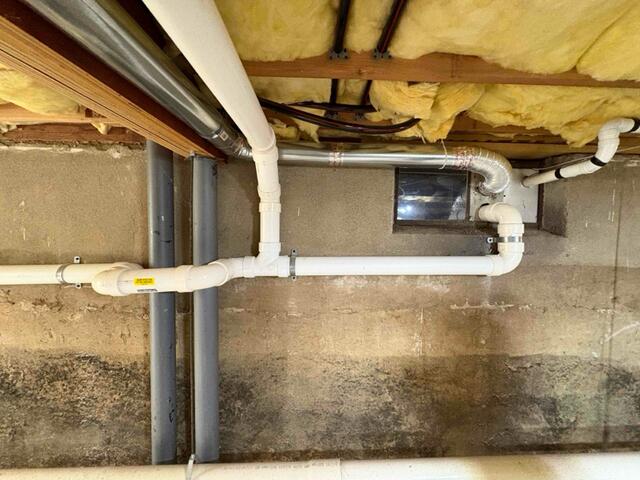
In Stratford, CT, a homeowner preparing to sell a 1950-built house discovered a radon level of 9.0. While the original plan involved encapsulating a 20x9 dirt crawl space and running a two-pipe system out the left side of the house, the homeowner opted instead to try a one-pipe system first, installed neatly near the oil tank. This approach prioritized simplicity while still offering targeted radon reduction—demonstrating our ability to balance system design with homeowner needs and real estate timelines.

In Fairfield, CT, a 1954 home preparing for sale tested at 8 pCi/L for radon—well above recommended safety levels. Our team designed a two-pipe radon mitigation system, placing one line near the home’s 10x13 crawl space, which is part of a larger 780 sq ft basement. The crawl space is scheduled for encapsulation, and we coordinated efforts with the homeowner’s agent and CT Basement Systems. With a water guard already in place, our system was designed for full compatibility and futureproofing. A smart, sale-ready radon solution.

In Redding, CT, a 1990 home measured at 7.0 pCi/L radon as part of a pre-closing inspection. Working with the realtor, our team designed a mitigation plan placing the system on the right side of the house near the well equipment. Since the homeowner was not present during the estimate visit, we’ll review and confirm the exact placement with them on install day. With the closing scheduled for end of April, this system ensures the home is sale-ready and radon-safe for its next chapter.

In this 1982 home in Fairfield, CT, the seller reached out after a radon test returned a 10.0 pCi/L result. With no crawl space or sump pump, the home required a two-pipe system due to the elevated radon level. The homeowner was informed of the $100 real estate discount and the potential need for an additional pipe to meet safety standards. No one was present during install; the garage was left open for technician access. We installed the system exiting the right side of the home, ensuring a discrete and effective solution.

In Fairfield, CT, we performed a fan replacement for a homeowner whose radon system had stopped functioning. Installed over a decade ago, the fan had run its course. The homeowner also had vapor barrier paint on the walls and floor, applied by CT Basement Systems in 2014, now peeling in several areas. The homeowner is not interested in full basement waterproofing—he doesn't get flooding, only moisture. He’s looking for a practical, effective solution—possibly a Sedona dehumidifier and reapplication of a vapor/moisture barrier product. CT Basements is scheduled for Thursday, but the client prefers a no-pitch, real solution conversation. Please talk to the client about what was previously applied, so we can quote a recoat-only option that fits his actual needs.
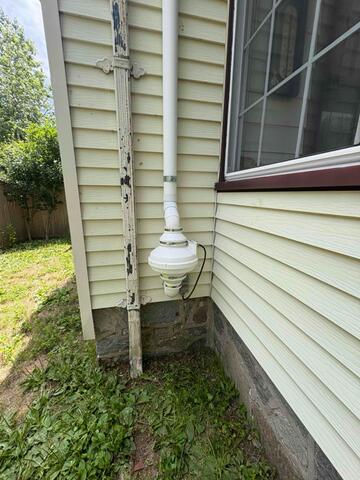
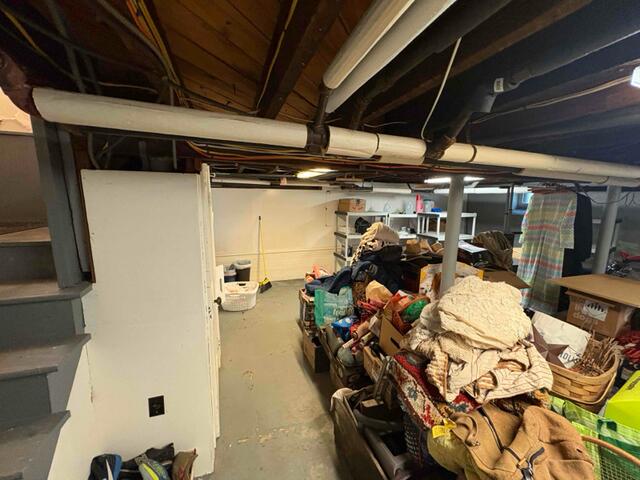
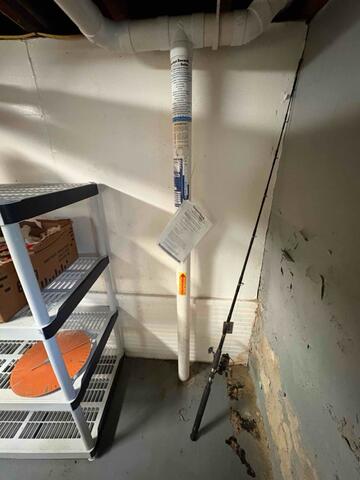
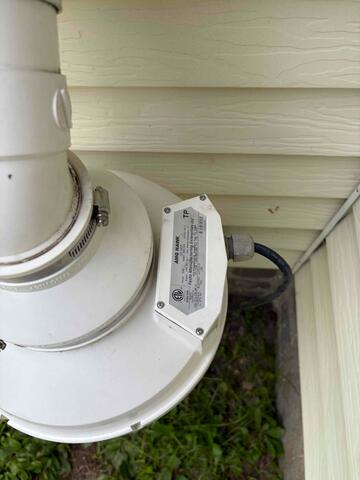
This cinder block home in Redding, CT had a two-pipe radon system and a radon level of 6.5 pCi/L, but the setup needed refinement. One extraction point in the back was covered with plastic, and a third pipe was necessary for full coverage. We also encapsulated a 12x42 section of crawl space to complete the mitigation. Per the client’s request, we moved the system from the front to the back of the home, avoiding the left side bedrooms. No one was home during install—check was left inside, and the homeowner is expected to email location details. Techs were advised to check with Mel for any last-minute notes before starting.
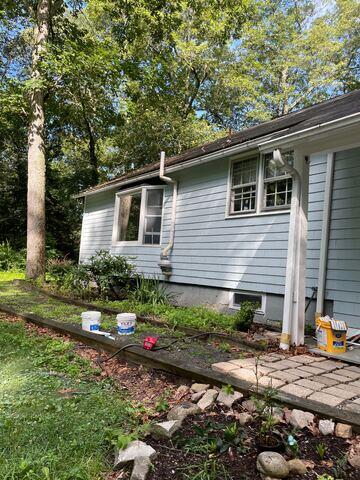
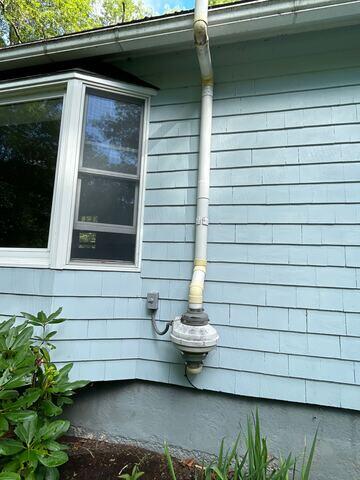
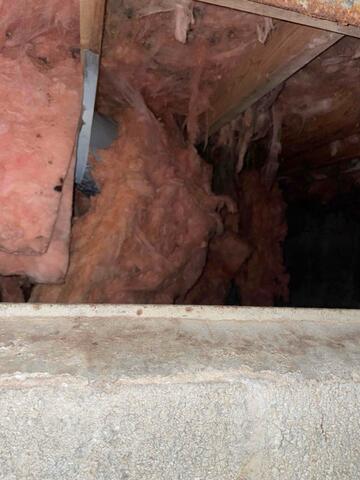
In a mostly finished raised ranch with two foundations, the radon level hovered at 4.0 pCi/L—just at the threshold. The homeowner requested a one-pipe system be installed in a small unfinished area on the left side of the basement. We placed the pipe near the fridge inside, then routed it outward to the right side, running it along the AC pipe for minimal aesthetic disruption. No sump pump, no encapsulation—just a clean, efficient install tailored to the space.
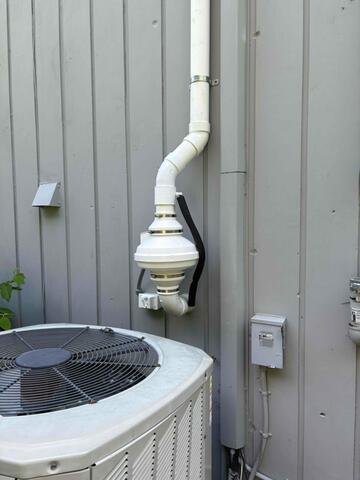
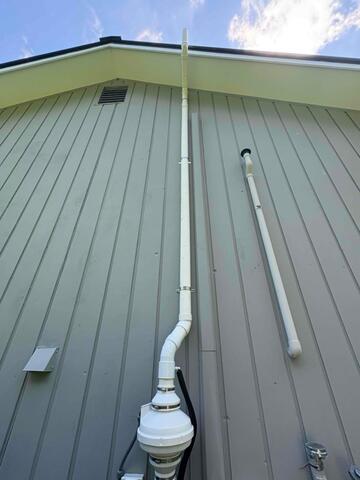
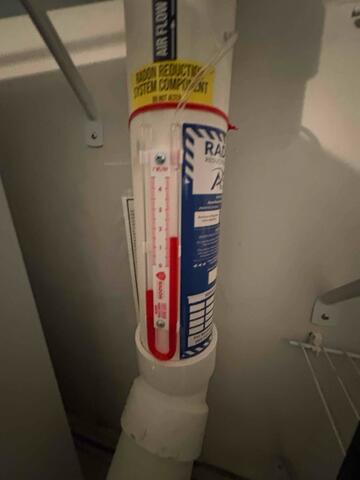
This Trumbull home, built in 1946, had a cement foundation and radon levels at 5.0 pCi/L—above the EPA action level. While the team did not perform a pre-install site visit, they arrived ready with a standard one-pipe mitigation plan. With a sump pump available to assist sub-slab airflow, the system was efficiently installed, bringing peace of mind to the homeowner.
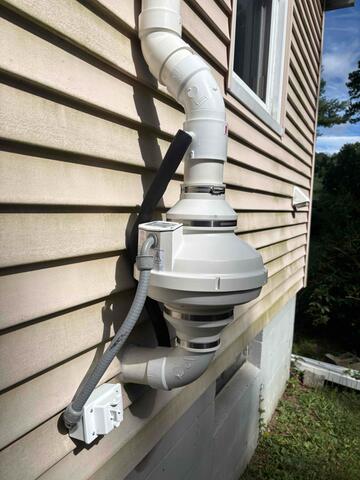
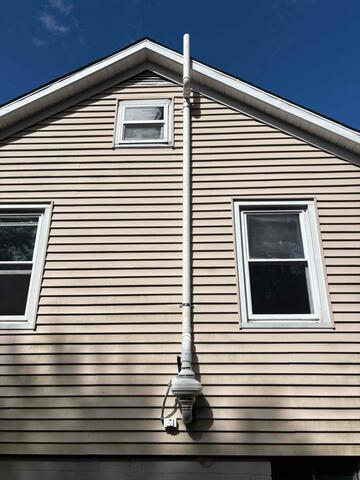
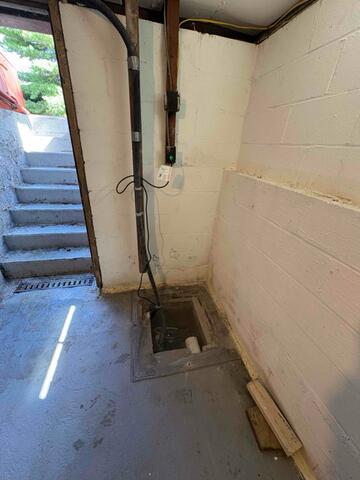
In Trumbull, a homeowner contacted us regarding a radon fan that failed after just three years. The unit was originally installed by CT Basement Systems Radon, a company that has since gone out of business. This marked the fourth fan failure in 15 years — a strong indicator of a high water table potentially impacting fan longevity.
We provided the homeowner with two options:
-
$185 Fan Service to inspect and possibly revive the unit
-
$695 Full Fan Replacement for a more robust long-term solution
Our technician walked the client through both options while considering moisture-resistant alternatives to prevent future issues.
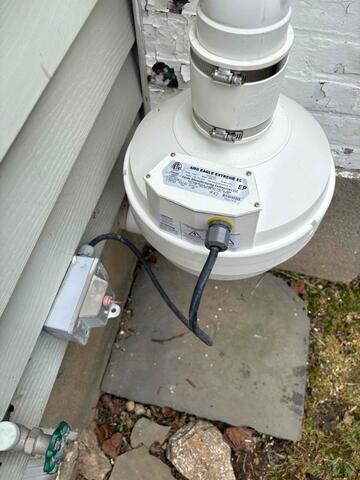
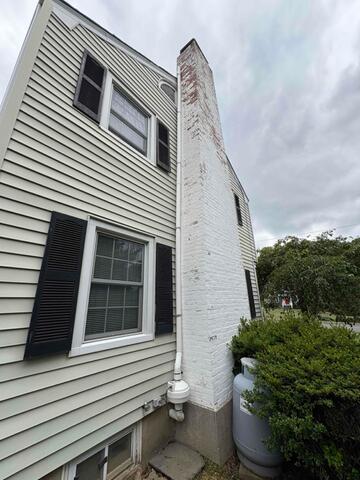
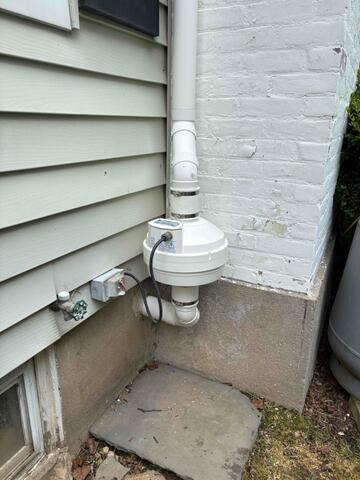
A homeowner in Trumbull took the smart step of addressing radon levels (4.2 pCi/L) during their full-home renovation. Built in 1986 with a cement foundation and no sump pump, this house was a perfect candidate for a discreet one-pipe system.
Our team installed the system from the utility room, routing it internally through the house and out the roof, taking advantage of the open walls to hide piping cleanly and future-proof the installation. The result? Safe, breathable air and a radon system that blends seamlessly into the new interior.
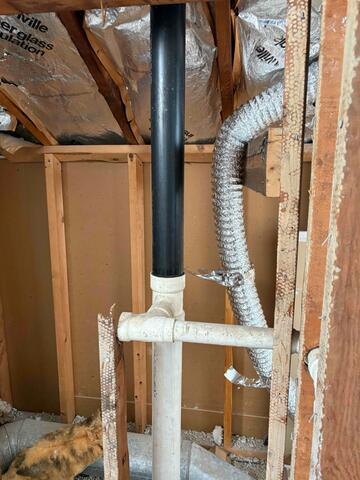
This 1992 Ridgefield home tested at 14.5 pCi/L, prompting the homeowner to act fast before listing the property. The existing radon system — a one-pipe setup with an RP265 fan — wasn’t cutting it.
We tackled the problem by adding a second extraction point inside the living space, cleaning out the existing suction point, and replacing the outdated fan with a newer model. With no encapsulation required and a sealed sump pump already in place, this upgrade prepped the home for a smoother real estate process.
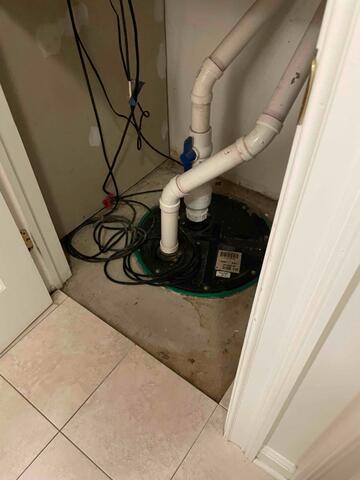
With a radon level of 3.5 pCi/L, this homeowner in Westport took proactive steps to secure their basement environment. The home, built in 1964, had an unfinished basement, two sump pumps (one already sealed), and was an ideal candidate for a two-pipe mitigation system.
We advised the homeowner to move items around the intended install zone and placed one of the pipes between two A/C units on the left exterior side of the house — an efficient and discreet placement for long-term safety.
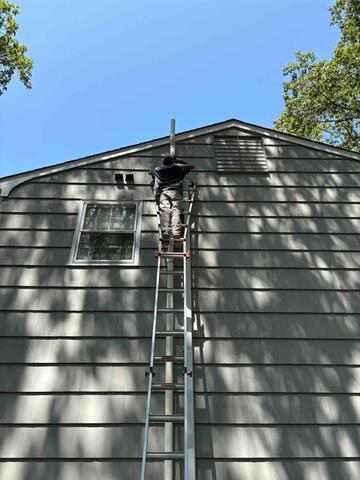
Located deep in the woods of Brookfield, this 1984-built home had a radon level of 6 pCi/L and an active mitigation system featuring three suction pipes and a recently replaced GP500 fan.
To enhance performance, our team cleaned out the existing pipes and added two additional extraction points — one in the rear corner and another near an archway in the corner. These additions support improved suction and system efficiency.
The long, wooded driveway required extra navigation care (go right at the fork), but the project was completed successfully with upgraded airflow throughout the home.
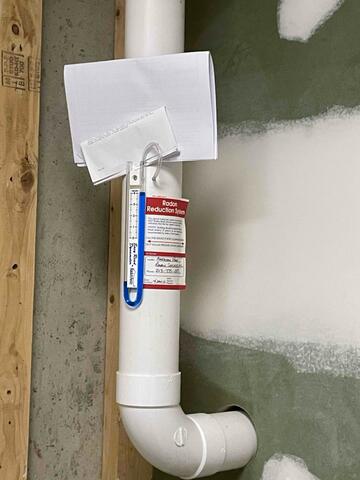
With a radon level of 5 pCi/L, this Norwalk home required a two-pipe mitigation system over two foundations, including a dirt crawl space. Encapsulation wasn’t feasible due to the soil conditions, so the system was routed directly into the crawl space, where the pipe will exit through the left side of the house.
The homeowner was present and flexible with placement, even suggesting the pipe may go through the laundry room drywall if necessary. He’ll handle the cosmetic boxing of the system post-installation and seal the sump himself.
This custom solution ensured the system’s effectiveness while respecting the client's remodeling plans and budget.
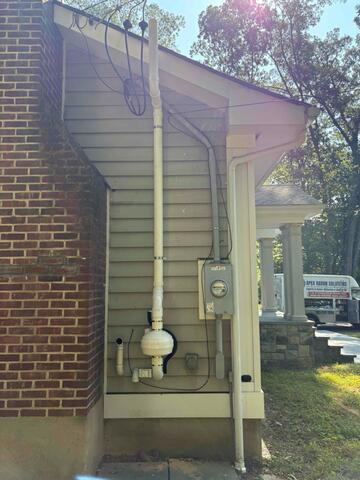
This Stamford Cape-style home, built in 1942, required a custom mitigation solution due to elevated radon readings between 4 and 5 pCi/L. With no sump pump or water guard, we designed a two-pipe system, placing one pipe in the foundation and another in the slab to maximize coverage.
The system was routed out through the left side of the house, near an existing oil tank and basement window, ensuring efficient ventilation while maintaining the property’s integrity. This job highlights how even older homes can be equipped with modern radon solutions, improving safety without invasive infrastructure changes.
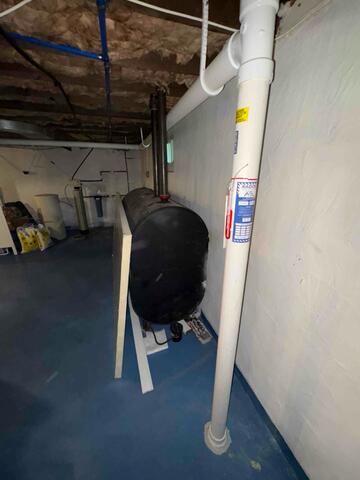
In Easton, a client sought support for mold remediation follow-up after a failed sump pump led to moisture issues. While the radon system was present, it was not tied into the sump pump, and the home needed a tailored moisture solution.
During our consultation, we proposed:
-
Sedona dehumidifier install in two areas
-
New filter (16x20x2) and UVC light for air quality
-
Transparent sump pump cover
-
String check system for peace of mind
-
New sump pump if repair isn't feasible (quoted at $695)
Client appreciated the thoughtful, modular approach and will decide post-consult.
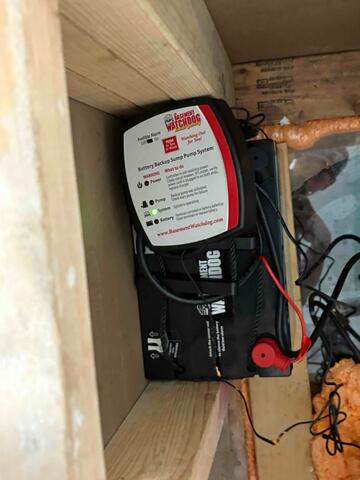
This Wilton property, built in 1959, had a radon level of 4.1 pCi/L. The homeowner, preparing to sell, requested a fan replacement and sump pump sealing to bring the system back to optimal condition.
The house features two foundations and has both a sump pump and water guard, which the seller plans to further seal with CT Basement Systems. We also left a monitoring machine on-site to allow for accurate post-installation retesting.
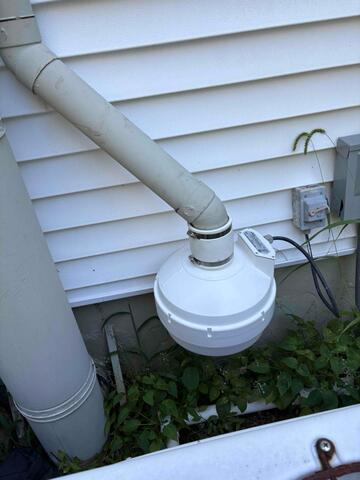
This 1964 Cape-style home in Stamford had a radon level of 10 pCi/L—twice the EPA action level. The property had no sump pump and required a custom solution. Our technicians installed a two-pipe mitigation system: one pipe targeting the foundation and another focused on the slab section. The system exits discreetly on the left side of the home, carefully positioned near the oil tank and a basement window to avoid structural obstacles. Thanks to thoughtful planning and precise execution, the home now has a reliable radon mitigation system and healthier indoor air.
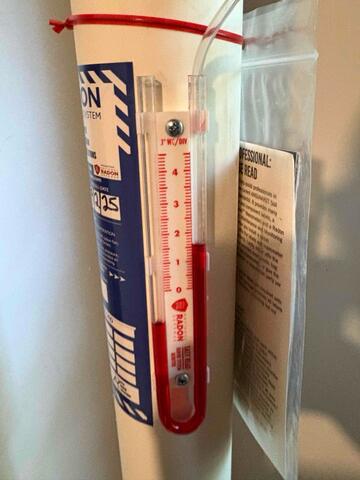
For this Newtown home built in 1977, a radon reading of 10.5 pCi/L demanded a robust mitigation strategy. The property had one foundation, and we installed a three-pipe system through the cement foundation to ensure maximum airflow extraction.
Although the sump pump was unsealed during inspection, we professionally sealed the pump to reinforce system integrity. No encapsulation or extra piping was needed. The home also included an XxP SaniDry system — which complements the radon solution by helping manage moisture.
No special requests or complications were noted by the client. The result was a high-capacity, low-visibility mitigation system that protects the home without disrupting its structure.
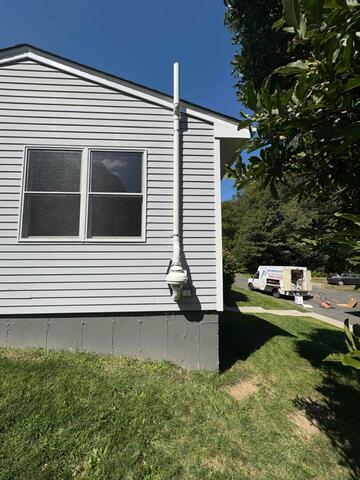
In this Stamford, CT project, we installed a Festa Eagle Extreme fan to mitigate elevated radon levels. The home required no special reroutes or design changes, allowing for a straightforward installation completed efficiently and on-site.
The homeowner paid via credit card during the visit, and there were no complications or unexpected changes during the job. This clean installation now offers robust protection without any need for follow-up or adjustments.
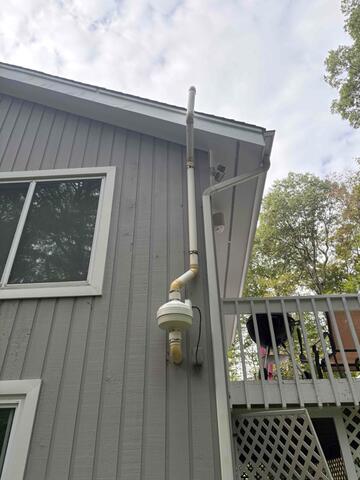
In this Westport, CT home, we faced a dirt crawl space with damaged CleanSpace and drainage matting. The radon levels measured 5.3 pCi/L, requiring a reliable two-pipe system.
What made this job unique: there was no existing electrical access in the crawl space. Instead of requiring the homeowner to hire an electrician, our team built an external outlet and completed the electrical connection for the radon fan.
We entered the crawl space carefully, using full coveralls and knee protection to protect the matting. The system now exits the right side of the house, fully functional and ready to keep the air safe.
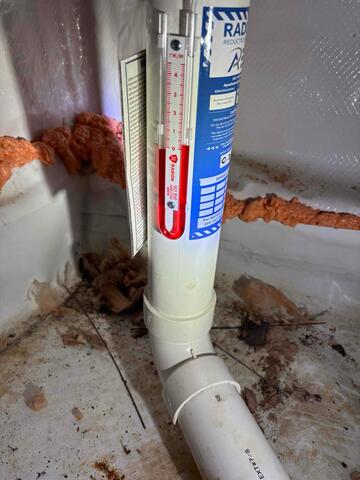
In Ridgefield, CT, we worked on a spacious home with an unfinished basement, measuring 3,800 square feet. The home had moderate radon levels (avg. 3 pCi/L), and the client opted for proactive mitigation.
Key factors in the job included:
-
Crack sealing throughout the basement floor
-
A sump pump that the client’s plumber will seal after our installation
-
No existing water guard system
-
Clean, open access to install a seamless system without added extraction points
This installation prioritizes long-term safety with future-proofing for possible basement finishing. With structural integrity and air quality top-of-mind, this Ridgefield home is now ready for peace of mind.
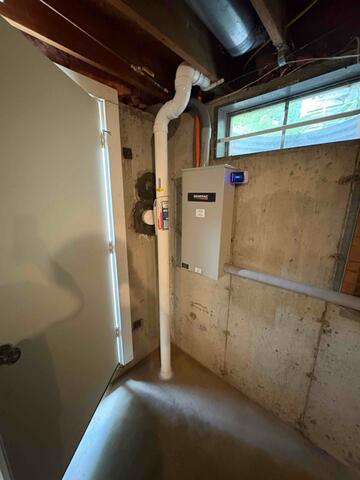
In Wilton, CT, we worked on a 1950-ish split-level home with a radon reading of 2.6 pCi/L. Though below the EPA’s threshold, the homeowner wanted peace of mind. A two-pipe system was installed, with one line running through a crawl space that required concrete patching in certain areas for better suction and sealing.
The system exits the left side of the home, carefully routed in the middle of the stair section to the right of the front door, discreetly positioned in a fenced section of the exterior. The layout supports future maintenance while maintaining aesthetics.
We also ensured clear communication with the homeowner—texted Michael upon arrival as instructed.
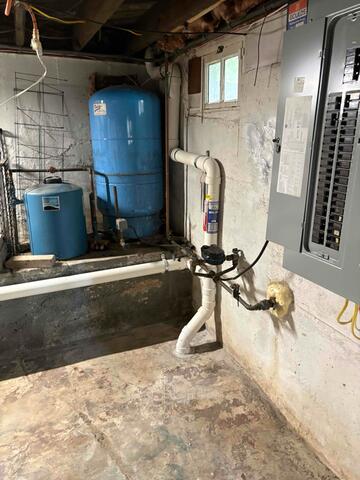
A Wilton homeowner reached out concerned that his radon mitigation fan—originally installed around 20 years ago—was no longer working. Without needing an initial site visit, he sent a photo of the existing fan setup. We advised that the issue likely warrants a full fan replacement and gave upfront pricing: $185 for diagnostic service or $695 for replacement. The technician was instructed to text upon arrival, as either the homeowner or his wife would be available during the visit. The photo confirmed the need for evaluation, and we’re prepared to act swiftly upon arrival to ensure proper radon mitigation is restored.
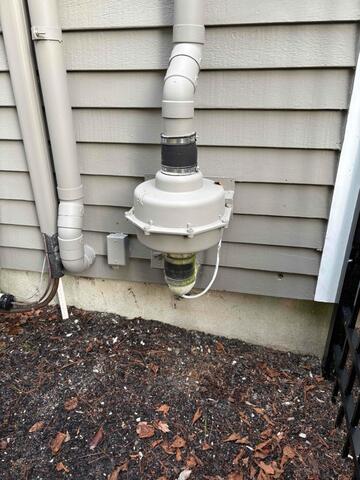
This Norwalk homeowner reached out with concern about indoor radon levels. With no sump pump, water guard, or encapsulation, the solution had to be smart and efficient. We designed a single pipe system to run inside a wooden closet located on the left side of the house next to the basement stairs. The clean design kept things discreet while maximizing airflow and radon capture. A job well done — and a safer home for years to come.
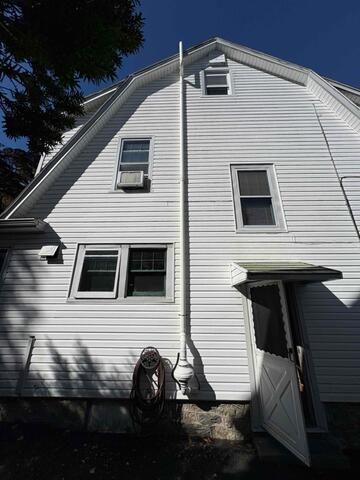
This Stamford homeowner wanted to optimize their radon system without a full replacement. Our team replaced the Schedule 20 pipe leading from the top of the fan with Schedule 40, which offers better performance in varied conditions. We also installed a fan muffler to reduce operational noise, especially helpful in quiet residential areas. This minor yet meaningful upgrade is a great example of how system longevity and comfort can go hand-in-hand.
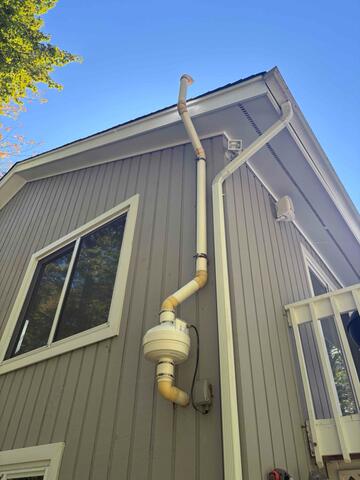
In Westport, we were called in to assess a 20-year-old radon mitigation fan that had grown loud enough to disrupt daily life. Our team quickly diagnosed the issue and replaced the outdated unit with a new, energy-efficient model, restoring proper airflow and eliminating noise. No additional system modifications were required — just a straightforward swap that brought immediate results. The client now enjoys a silent, fully functioning system that meets modern standards.
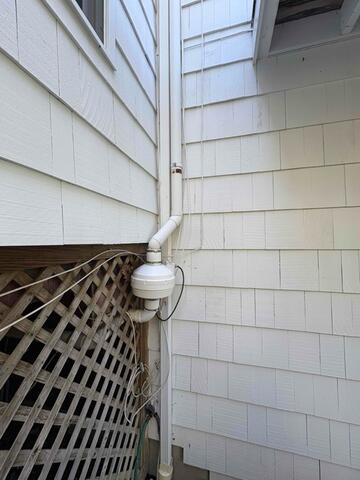
This 5+ year-old radon mitigation system had not been inspected or serviced since the client moved in. Although there were no obvious issues with the system at the time of visit, the long gap between service appointments prompted us to take precautionary measures.
To ensure continued effectiveness, we left a radon test kit so the homeowner can monitor current radon levels. This will help determine if further system updates or fan replacement is needed.
No additional repairs were required at this time, but routine servicing and testing are key to maintaining a safe and healthy indoor environment.
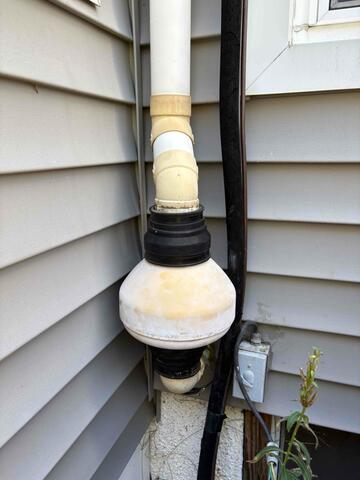
In this Newtown home, built in the 1970s, elevated radon levels led to a thoughtful discussion between the installer and homeowners, Todd and Melinda. Rather than jumping into a multi-system setup, both parties agreed to install a single-pipe mitigation system first, and monitor the results using a CRM or passive test kit. If the levels remain above 2.0 pCi/L, a second system will be installed without delay. This agreement was clearly communicated and documented to ensure alignment between both the service provider and the client.
The install itself was straightforward but executed with precision. The system was routed internally with minimal disruption to the home structure. The radon fan, piping, and exhaust layout were positioned based on airflow mapping and best practices. The job did not require extra sump pump sealing or encapsulation. The installer made sure to place a test kit before leaving the site and ensured the homeowners were comfortable monitoring and returning results. Overall, this job is a prime example of responsive radon mitigation built around both trust and measurable results.
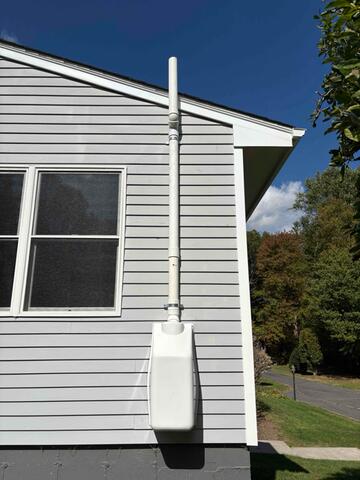
This project in New Canaan, CT began with a phone consultation from Adrian Dognin, the general contractor managing the renovation of the home. According to Adrian, one part of the house has already been taken down to the studs, while the other part of the home remains, and it contains a crawlspace underneath. He noted that the radon levels are elevated, although the exact pCi/L was not provided, and he suspects the crawlspace was not included in the original radon testing.
The homeowner, Lynne, is preparing to sell the home but currently has no firm closing date. Either Adrian or Lynne will be present during the on-site consultation. During the visit, be sure to get Lynne’s contact details and update the client record to reflect her information directly.
The next step will include visual inspection, possible re-testing (especially in the crawlspace), and mapping out potential system design(s) that may include both slab and crawlspace mitigation strategies, depending on confirmed radon levels and structural access.
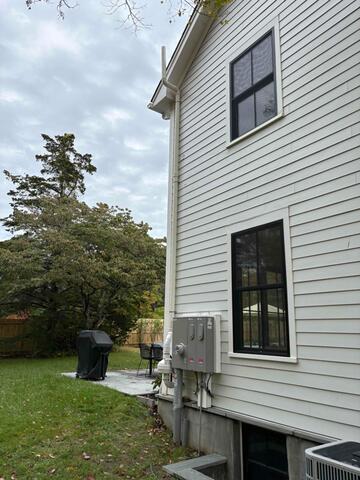
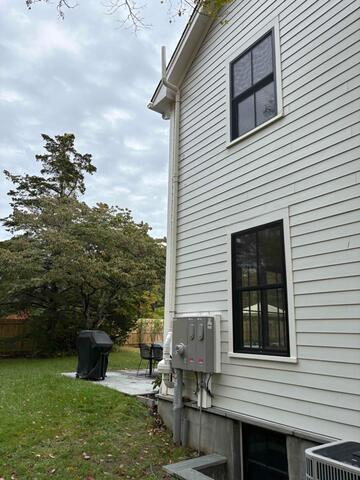
This Westport job was coordinated entirely remotely with the seller, who will not be present during the fan replacement. The request came as part of a real estate transaction, where the buyers or inspectors likely noted that the radon system was inactive. The radon fan is no longer operational and needs to be replaced before the sale can proceed.
Although there was no preliminary site visit, the seller left the Bilco door unlocked to allow interior access. The technician is expected to identify the location of the system and replace the defective fan with a new unit—matching the type and size as closely as possible unless a universal upgrade is necessary.
Since the home may be vacant or in staging, care should be taken to avoid any disruption and ensure that the new system is sealed, wired, and operational per state standards. This installation does not require re-routing piping or adding new extraction points—just a professional, efficient fan swap to restore the system's functionality before closing.
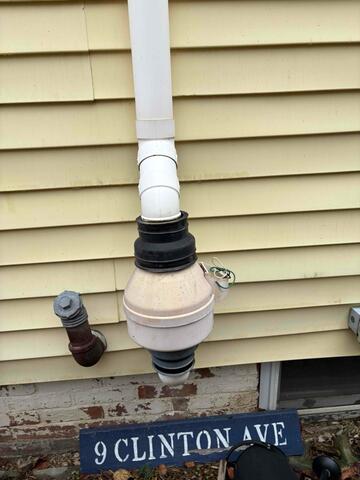
In Danbury, we were called to a historic home built in 1927 with a radon level of 4.2 pCi/L—just over the EPA’s actionable level. This house had two main foundations and a small crawl space, all made of cement. Although there was no water guard, the existing sump pump was already sealed, which provided a solid starting point for system planning.
We opted for a two-pipe mitigation system, with each pipe covering separate foundation zones to maximize suction and airflow. The crawl space did not require sealing or separate ventilation, which helped streamline the install. Given the age of the home and mixed foundation types, careful routing of the system was essential to avoid disrupting historic structural elements. No extra piping or encapsulation was needed, making this a clean and efficient install.
This setup now provides consistent radon control without the need for future upgrades, ensuring that even older homes like this one can meet modern indoor air quality standards.
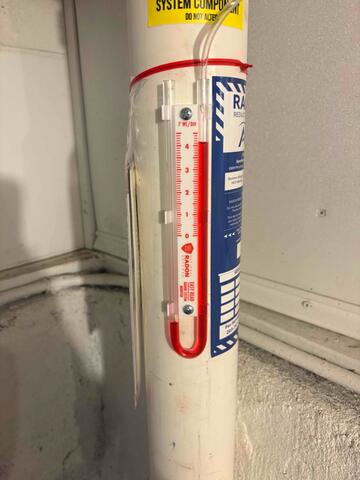
The Westport project involved a 1960-built home with a standard concrete foundation and an additional cement crawl space—a configuration that often requires careful system design. The homeowner was particularly concerned, as they were preparing to move and wanted assurance that the system would be highly effective. At 13 pCi/L, the radon level presented a significant health risk and could delay the sale of the property if not addressed properly.
During consultation, it was determined that a three-pipe system would be necessary. The plan included two suction points in the air basement, positioned to maximize airflow across the slab, and a third pipe routed into the crawl space, where airflow is more limited. While there was no encapsulation, sump pump, or water guard to assist with air movement or moisture control, the system was designed to overcome these limitations.
The project addressed the homeowner’s concerns directly and delivered a tailored solution that’s both efficient and property-sale ready.
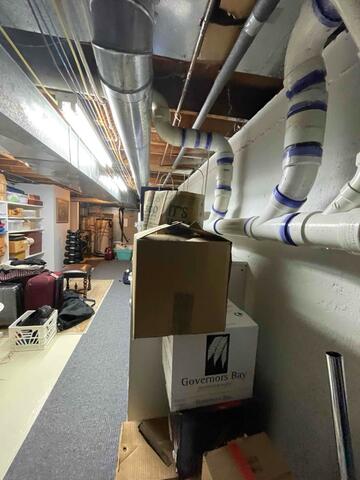
In Trumbull, the homeowner requested a radon mitigation system upgrade to improve airflow and add a more effective suction source. We began by addressing the system’s existing limitations: a 2-inch mitigation pipe that wasn’t pulling enough air volume.
To improve the system, we replaced the 2-inch pipe with a 3-inch pipe, allowing for significantly better suction and radon evacuation. Simultaneously, we added an extraction point inside a closet to target radon buildup from a specific zone within the home that previously lacked direct coverage. This newly added point connects seamlessly into the upgraded piping, ensuring balanced pressure throughout the system.
To finish, we securely capped the old 2-inch pipe, ensuring there would be no leakage or redundancy. This upgrade not only improves mitigation effectiveness but also prepares the home for long-term radon safety. The homeowner now has a streamlined, more powerful mitigation system ready for retesting.
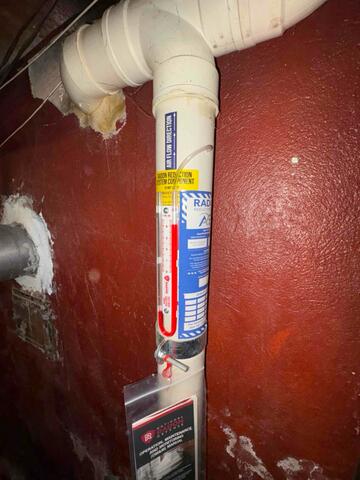
In Monroe, CT, a proactive homebuyer took action to reduce radon levels before closing on their new home. With a radon test result of 6.4 pCi/L, they reached out for a quote and a system plan tailored to the home's layout. The house, built in 1979, features one main foundation and a sump pump located under the staircase. The homeowner mentioned it was already sealed, but our team will verify this during installation.
Since we weren’t able to conduct a physical walk-through, the client provided a detailed layout, noting that the utility room sits in the back left corner of the house, and requested that the exterior exhaust be routed out to the left side of the chimney. With that guidance, the team will be able to proceed efficiently after the October 30th closing. This forward-thinking mitigation not only ensures safety but also protects the home’s resale value.
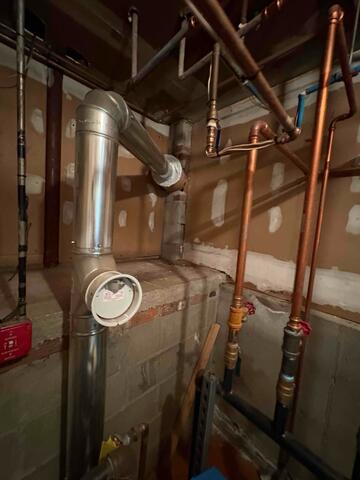
This Westport property features a complex basement with four separate foundation sections, necessitating a four-pipe radon mitigation system for full coverage.
The project is being done in collaboration with David, the builder, who is taking a hands-on approach. David is installing the entire vertical pipe infrastructure: running Schedule 40 pipes from each foundation section, through a centrally located chase, and up through the cedar shake roof.
It was made explicitly clear to the builder that our team will not penetrate or modify the cedar roof in any way. All roofing tasks, including flashing and sealing, fall under the builder’s responsibility. David has also agreed to handle all drywall repairs post-installation.
Our role includes:
-
Completing all basement-level connections for the four-pipe system.
-
Installing the radon fan in the attic, with the expectation that electrical access is available at the fan location.
-
Verifying system integrity and testing after setup is complete.
This partnership allows for a streamlined, high-efficiency system while minimizing aesthetic and structural disruption to the home. Builder coordination ensures proper timing and logistics before our team arrives on-site for final install and activation.

This Stamford job involves mitigating radon levels in a small Cape Cod home with a reported radon level of 5.1 pCi/L.
The home, built around 1950, has a single foundation, no sump pump, and no water intrusion history.
There is no encapsulation or extra piping, making this a relatively straightforward system install.
The client will leave the back door unlocked on the day of service, allowing for independent access. The radon system will be a one-pipe system, sized appropriately to the foundation and footprint of the house.
The team will determine the most effective and discreet run, ensuring minimum disruption and maximum efficiency, all while keeping aesthetic considerations in mind.
The job is expected to be completed efficiently in a single visit, with post-installation testing to ensure radon levels are brought below actionable thresholds.
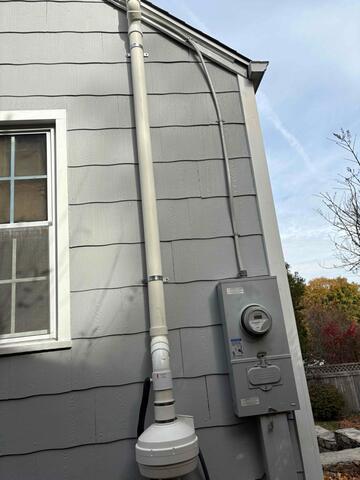
For this Westport job, the homeowner has been proactive in requesting that the radon mitigation system integrate cleanly with their mostly finished basement. With a radon reading of 4.5 pCi/L, a single-pipe system is recommended.
The house, constructed in 1980, has one cement foundation, no crawl spaces, no sump pump, and no water guard system. The client directed that the system be placed within the mechanical room, which offers a direct pathway to the rear of the house. From there, they specifically requested that the radon exhaust pipe exit through the second bay on the right-hand side of the basement, a spot they identified as both discreet and optimal for venting.
The installation team will ensure the pipe is neatly routed from the suction point to the designated exterior location, taking care to preserve the integrity of the finished areas. This job is a perfect example of a collaborative approach where the client’s preferences were clearly communicated and factored into a custom, low-profile solution.
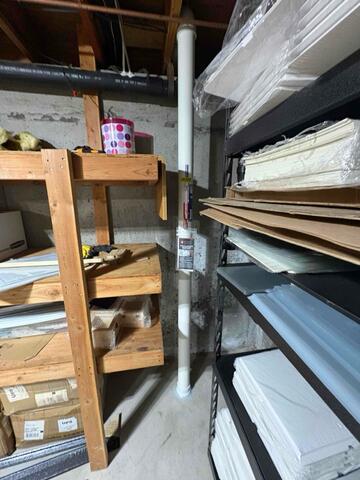
The Wilton property, built in 1954, has a radon level of 14 pCi/L and features two cement crawlspaces, one of which currently lacks an extraction point. The existing two-pipe system includes a run beneath the slab that exits outside. The fan is a RadonAway model, but its exact type (GP 201, 301, 401, or 501) is unknown as the label and install date are missing.
With the sale of the house scheduled for December 9th, the client requires two major updates to the current system:
-
Add a fourth extraction point in the rear crawlspace to ensure full coverage and reduce radon levels effectively.
-
Replace the fan with a clearly labeled and appropriately rated unit to meet post-sale compliance.
There is no sump pump, no water guard, no encapsulation, and no extra piping present. This job is a focused system enhancement for resale purposes, ensuring the expanded mitigation setup is both functional and verifiable for the buyer's inspection. All improvements must be carefully documented for transparency during the closing process.
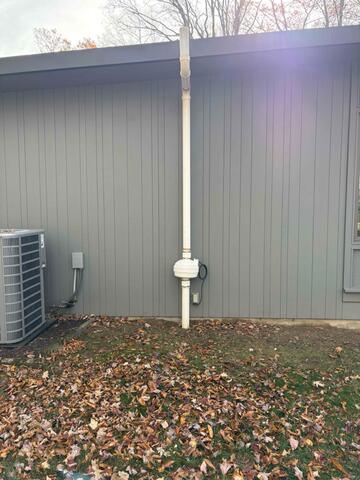
Louise’s 1964 cement foundation home in Monroe had a radon level of 11 pCi/L, well above the EPA action level. The home featured a single foundation and an existing sump pump located in the basement.
The challenge of this project centered around navigating a drywalled ceiling, which required discussion about cutting access paths for proper pipe routing. Additionally, we identified the need to upgrade the current sump pump to a more efficient 1/3 HP submersible model to support the system’s long-term moisture and pressure balance. A two-pipe mitigation system was recommended and designed for optimal extraction and airflow.
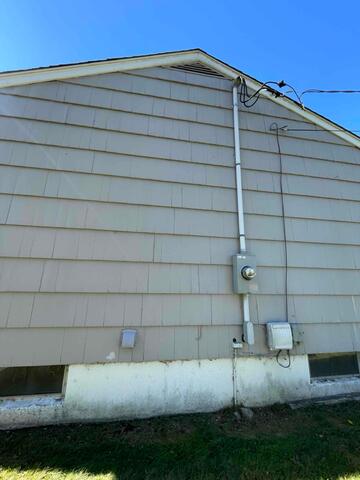
For this 1955 Trumbull property with no sump pump and no water guard, the homeowners wanted a one‑pipe mitigation system but needed guidance on placement.
Two installation options were presented: one near the oil tank in the center of the basement, and another in the corner of the home.
After discussing layout, accessibility, and future use of the space, the homeowner selected Option 2, placing the system in the corner.
Arrival was scheduled after 8:30 AM to accommodate the family’s morning routine.
The system will be installed with the necessary routing and exterior exit suited to the chosen location, ensuring effective radon reduction while maintaining the functionality of the basement.
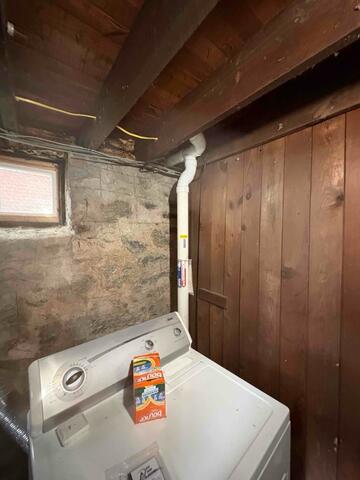
This job required extra attention due to the tall structure and older 1908 fieldstone foundation.
Since there were no crawlspaces or sumps to work with, the team installed a two-pipe system, carefully navigating limited utility access points.
Clear instructions were followed regarding the unlocked access, pipe routing near the washer, and the need for extended vertical piping. The job was completed efficiently, balancing system performance with aesthetic discretion, leaving the home ready for safe occupancy by future renters.
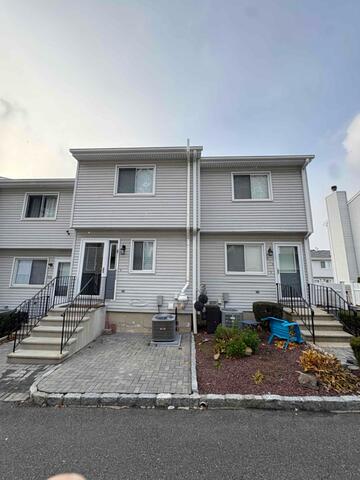
This home tested at 5.5 pCi/L for radon, above the EPA recommended action level. Our team installed a clean, one-pipe radon mitigation system vented discreetly through the back right corner of the home. The system is designed to effectively reduce radon levels and help create a safer, healthier living space.
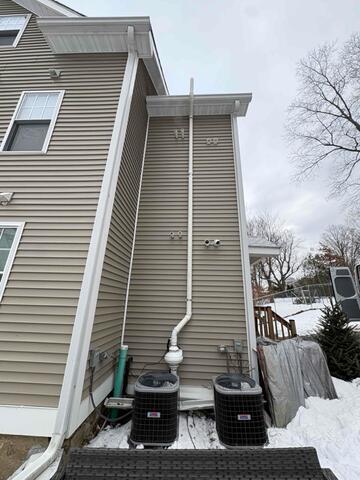
This historic home, built in the early 1900s, tested at a radon level of 11 pCi/L. A three-pipe mitigation system was installed, with two extraction points in the main foundation and one in the crawl space. The system was routed near the Bilco door, and cement work was completed to properly seal all extraction points, ensuring safe and effective radon venting.
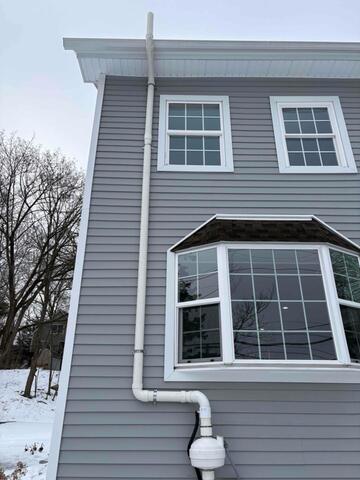
In Cos Cob, we worked on a home built in 2008 where radon levels tested at 5.1 pCi/L. The home had a sealed sump pump, so we focused on placing the system where it would work best within the existing layout.
The mechanical room was too crowded and included a gas meter in a tight space, so it wasn’t a good option for installation. Instead, we installed a single-pipe radon mitigation system through a closet on the right side of the basement.
This allowed for a clean setup while avoiding tight or restricted areas.
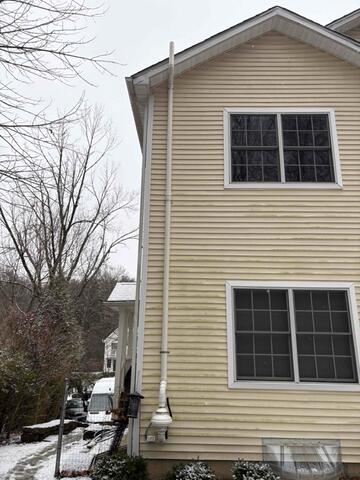
We worked on a home built in 1974 where radon levels tested at 4.0 pCi/L. The home includes a crawl space with a cement slab that is large enough for access, which allowed for a more complete system design.
A three-pipe radon mitigation system was installed to cover all areas. One pipe was placed in a small closet, another was run horizontally into the slab, and a third was installed in the crawl space.
The crawl space line was routed into the shed, where the fan was installed, and then vented through the roof of the shed. This setup allowed the system to operate effectively while keeping the fan location separate from the main living space.
We also discussed the use of Aspen as part of the project considerations.
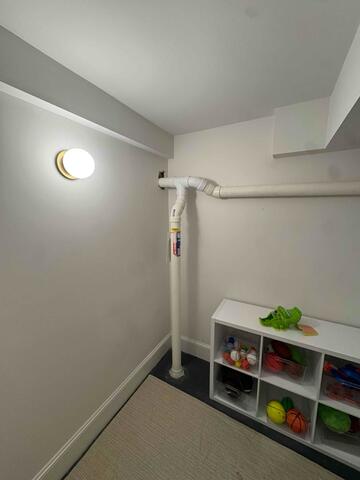
In Old Greenwich, we were called to evaluate a radon mitigation system where the homeowner reported excessive noise and vibration coming from the fan. The issue was noticeable enough to be felt throughout parts of the home.
The fan had been recently replaced, but the noise indicated that something was not functioning properly. We assessed the system to identify the cause, which can include improper installation, mounting issues, or airflow restrictions.
The goal is to ensure the system runs quietly and effectively without causing disturbance inside the home.
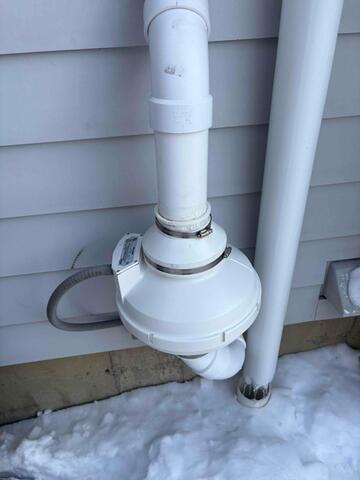
In New Fairfield, we worked on a colonial-style home built in 1987 with a partially unfinished basement. The layout required a system that could cover the unfinished section while staying out of the main living areas.
A two-pipe radon mitigation system was installed in the unfinished portion of the basement. One pipe was tucked behind the chimney to keep it out of the way, while the second was placed near the basement door for proper coverage.
This setup allowed for effective radon mitigation while keeping the installation clean and well-positioned within the space.
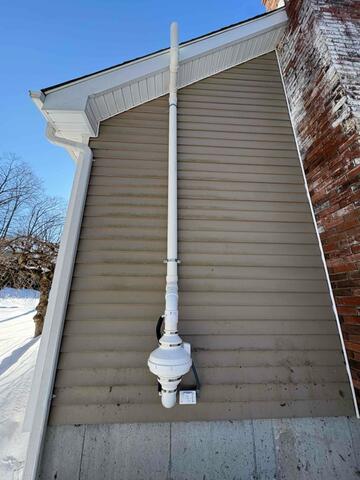
In Greenwich, we returned to a home where the radon level tested at 6.0 pCi/L. The property has four separate foundation areas, with an existing mitigation system already in place for one section.
We previously replaced the fan earlier this year, and the homeowner has been monitoring radon levels since then. Based on those results, the decision was made to expand the system to improve coverage.
Two additional extraction points were added—one in the crawl space and another in a closet—bringing the system to cover three of the four foundation areas. This approach allows the homeowner to address the most active sections first and evaluate whether the fourth area will need to be included later.
The system is now better aligned with the layout of the home, providing broader coverage while allowing flexibility for future adjustments if needed.
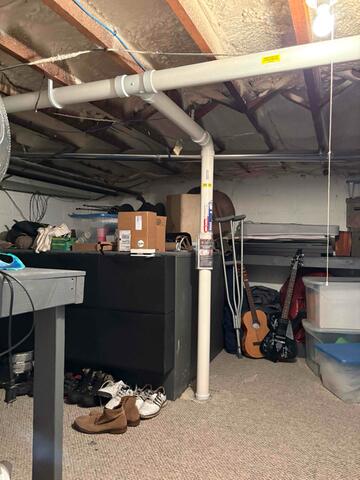
In Weston, we worked on a home built in 1969 with an existing two-pipe radon mitigation system originally installed in 1994. The home has a high water table and a sealed sump pump, both of which can influence how radon moves beneath the foundation.
Radon levels were testing at 5.0 pCi/L, so improvements were made to the existing system to increase effectiveness. Both original extraction points were cleaned out to restore proper airflow, and a third extraction point was added in the crawl space to improve coverage.
The existing radon fan was also replaced with a new unit to ensure consistent system performance.
These updates allow the system to better address the foundation and crawl space areas while working with the conditions of the home.
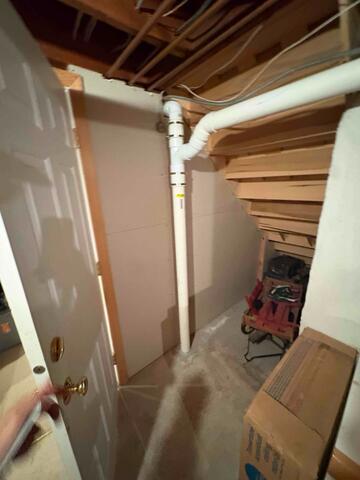
In Darien, we replaced a radon mitigation fan on an existing system. The home had a RadonAway GP201 fan that was no longer operating as it should.
The old fan was removed and replaced with a new unit to restore proper airflow and system performance. Replacing the fan ensures that the system can continue pulling radon from beneath the home and venting it safely outside.
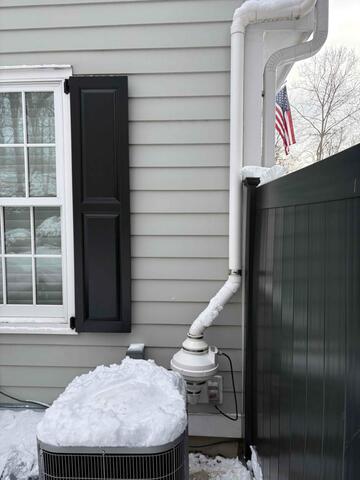
In Ridgefield, we worked on a home with significantly elevated radon levels, measuring over 40 pCi/L in the basement and between 10–14 pCi/L on the first floor. The home already had a mitigation system in place, along with a radon-in-water system, but additional improvements were needed to bring levels down further.
The homeowner has two young children and was understandably concerned, so the focus was on expanding and improving the existing system to increase effectiveness.
We upgraded the system by replacing the existing fan with a higher-capacity unit and adding multiple new extraction points throughout the basement. This included opening and cleaning out existing suction points, sealing a hole found in the basement, and adding additional lines in key areas such as the utility space, unfinished sections, and gym area.
The system was also adjusted to improve airflow and reduce noise, including the addition of a muffler. Special attention was given to areas where previous work had limited suction, particularly in sections with stone beneath the foundation.
This expanded setup provides broader coverage across the home and is designed to bring radon levels down more effectively.
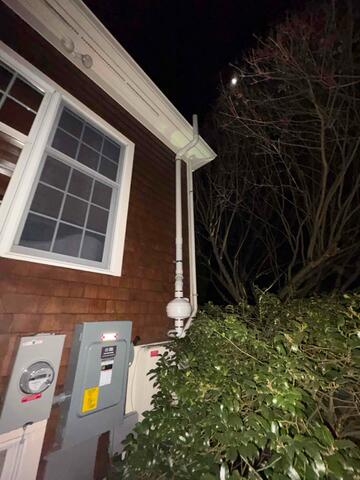
In Trumbull, we evaluated an existing radon mitigation system originally installed in 2011. The homeowner reported that the system did not appear to be running.
We walked through basic troubleshooting, including resetting the breaker and cycling the system on and off, but the fan did not respond. The manometer reading was at zero (“U” level), indicating that the system is not actively pulling air.
During the exterior inspection, a section of piping appeared to be partially disconnected, which may also be affecting system performance.
Based on these findings, a fan replacement is likely needed to restore proper operation. Once the system is functioning again, follow-up testing is recommended to confirm performance.
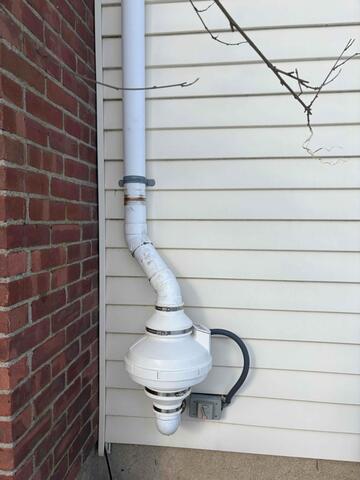
In Norwalk, we worked on a home preparing for closing, where radon levels tested at 5.5 pCi/L. The property has a single foundation with no sump pump.
Due to the lack of an outlet in the basement, the radon test was set up in the front hallway to ensure proper monitoring.
A one-pipe radon mitigation system was installed, routed to the right rear corner of the home for exterior venting. The layout was designed to provide effective radon reduction while keeping the installation clean and appropriately positioned for the structure.
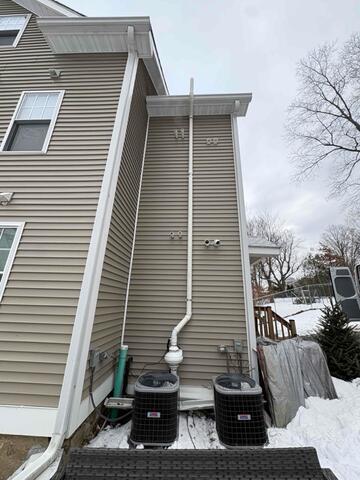
In Darien, we worked on a home built in 1997 where radon levels tested at 6.8 pCi/L. The homeowner was looking to install a mitigation system to address the elevated levels.
During the assessment, a large crack in the basement floor was identified as a potential entry point for radon. This was an important factor in designing the system.
A one-pipe radon mitigation system was installed near the fireplace and boiler area, allowing for effective suction while working within the layout of the home. The crack was also addressed as part of improving overall system performance and reducing radon entry.
The system was designed to provide reliable airflow while keeping the installation clean and properly positioned.
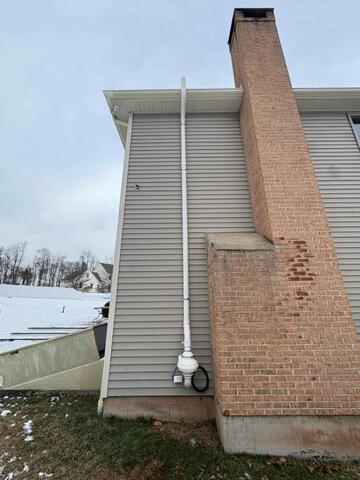
In Redding, we worked on a home with radon levels testing at 10 pCi/L. The property includes multiple foundation areas and crawl spaces, requiring a comprehensive system design.
A five-pipe radon mitigation system was installed to provide full coverage across the home. This included extraction points in the main foundation, crawl spaces, and an additional horizontal run connecting to a secondary crawl space area.
One of the crawl spaces, measuring approximately 25x20, was encapsulated to help control radon entry. The sump pump, approximately 30 inches in diameter, was sealed, and visible foundation cracks—covering a large area—were addressed to improve system performance.
Due to limited access in one crawl space opening, the focus was placed on sealing and adding an extraction point to ensure that area was still properly addressed.
As part of the service, a second radon test kit was left to allow for additional testing in a separate carriage house on the property.
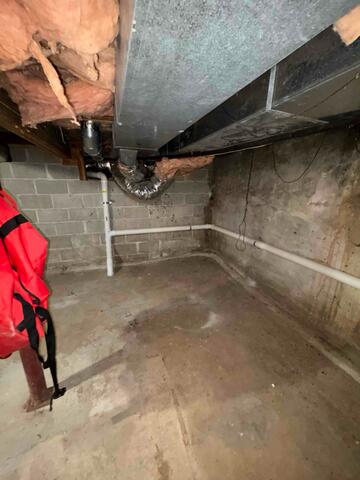
In Trumbull, we reviewed a Cape-style home with a radon level of 3.9 pCi/L as part of a property being prepared for sale. The home is owned as an investment property and is currently in transition.
Based on the layout and available information, a three-pipe radon mitigation system was recommended. The design includes coverage for the main basement, crawl space, and slab areas, with the system routed out the left side of the home.
An exterior review of the property was completed, and photos were taken to help plan the installation. Interior access was not available at the time, so final system placement will be confirmed once access is provided.
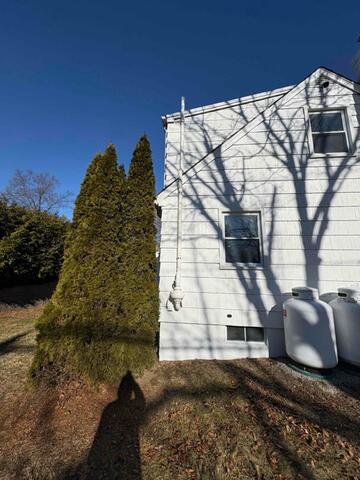
We installed a premium radon mitigation system designed to improve airflow and provide more complete coverage throughout the basement.
The system includes a primary extraction point along with an additional suction point to help address multiple areas and improve overall performance. Both points work together to create consistent negative pressure beneath the slab.
Piping was routed through the basement in a clean and organized layout, then directed to the exterior where the fan was mounted. The system vents safely above the roofline, and a manometer was installed to allow for easy monitoring of system operation.
This setup provides reliable radon reduction while maintaining a clean appearance both inside and outside the home.
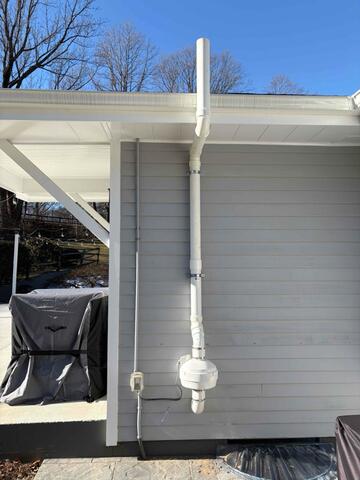
In Shelton, we reviewed a home built in 2002 with a radon level of 11 pCi/L. The property includes an unfinished basement with no sump pump, though a sealed drain is in place for a future bathroom.
As part of the upcoming home closing, a mitigation system was recommended to address the elevated levels. Based on the layout, a two-pipe system with an additional extraction point was proposed to provide better coverage across the foundation.
At this stage, access to the home was not available, so the system design is based on the information provided and will be confirmed once access is granted.
The homeowner is currently reviewing the proposal ahead of the closing date.
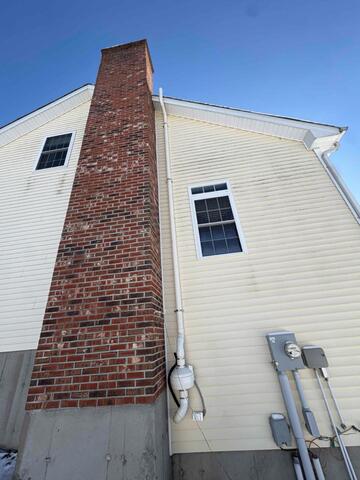
In Stamford, we reviewed a home built in 1963 where radon levels tested at 4.3 pCi/L shortly after the homeowners moved in.
The home includes a small basement along with a crawl space that is not currently accessible. There is also an existing water guard system in part of the basement, which helps manage ongoing groundwater conditions in the home.
Based on the layout, a two-pipe radon mitigation system was recommended. One extraction point is planned for the main foundation area, while a second horizontal pipe would extend toward the crawl space area to improve overall coverage.
The system design was developed to work within the limited basement space while addressing both the foundation and crawl space conditions.
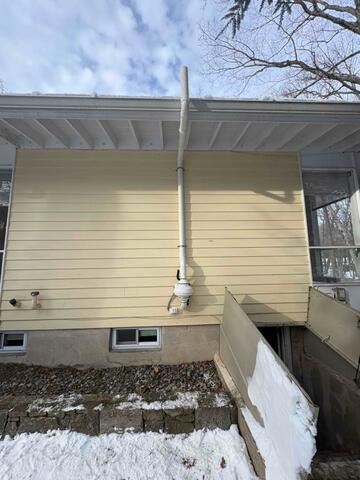
In Westport, we worked on a home built in the mid-1960s where radon levels tested at 3.8 and 4.3 pCi/L in different areas of the property. The homeowner wanted levels reduced even further, with a goal of bringing readings below 2.7 pCi/L.
The home includes several unique foundation areas, including a crawl space and a separate wine cellar room located behind the boiler area. The property also has three sealed sump pumps installed by Connecticut Basement Systems, along with existing drainage components designed to manage groundwater.
To improve overall coverage, a three-pipe radon mitigation system was installed. One extraction point was placed in the main foundation, another in the crawl space, and additional piping was routed through the wine cellar area to address the smaller isolated space behind the boiler.
The crawl space piping was routed through the sill plate to maintain a clean layout while improving airflow beneath the home.
This system was designed to work alongside the existing waterproofing setup while providing more balanced radon reduction across all areas of the foundation.
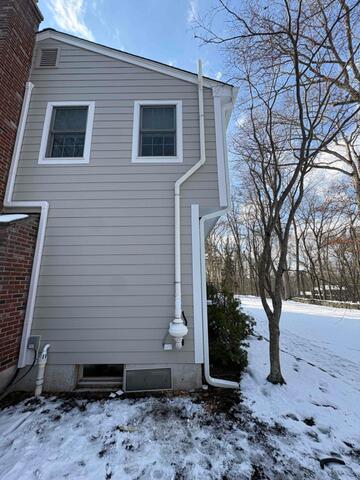
In Monroe, we worked on a split-level home built in 1966 where radon levels tested at 5.3 pCi/L ahead of the homeowners’ upcoming move-in date.
The home includes a crawl space beneath the structure, with all sections connected under a single foundation. To address the elevated radon levels, a radon mitigation system was installed within the crawl space to improve airflow beneath the home.
The system was routed out the right side of the house near the boiler area, allowing for clean exterior venting while working within the layout of the split-level design.
This setup was designed to provide effective radon reduction before the homeowners moved into the property.
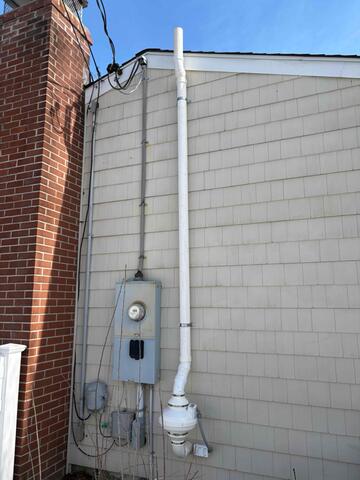
In Redding, we worked on a home built in 1982 where radon levels tested at 6.6 pCi/L. The property has a single cement foundation with approximately 1,800 square feet of basement space divided into two unfinished sections.
The homeowner chose to place the mitigation system in the smaller unfinished area located toward the front left side of the home when facing the property. This location allowed for a clean installation while effectively addressing the foundation area beneath the home.
A one-pipe radon mitigation system was installed to improve airflow beneath the slab and reduce indoor radon levels.
The system was designed to work within the layout of the unfinished basement while maintaining organized pipe routing and practical system placement.
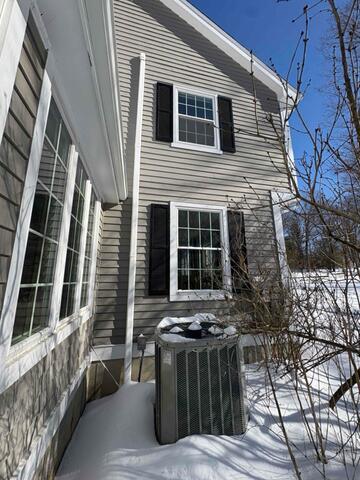
In New Fairfield, we serviced an existing radon mitigation system after signs of fan performance issues were reported.
During the inspection, the liquid inside the manometer appeared discolored with a gold or pale tint, indicating the system had been operating for an extended period and required evaluation.
The existing radon fan was replaced to restore proper airflow and maintain reliable system operation. The manometer was also checked as part of the service visit to confirm system functionality after the replacement was completed.
A post-mitigation radon test kit was left behind so updated levels can be monitored following the fan replacement.
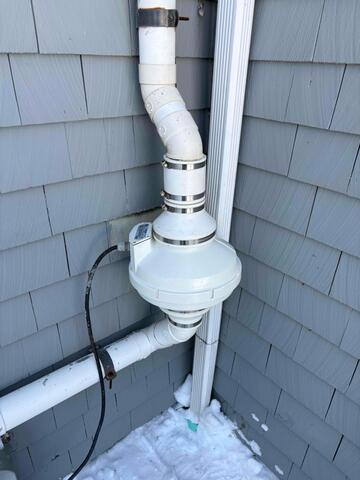
In Trumbull, we reviewed a home preparing for new tenants after radon levels tested at 4.3 pCi/L.
The homeowner wanted to address the radon levels before the property became occupied again, helping provide a healthier indoor environment for future residents.
Based on the layout of the home, the mitigation system design may require routing through sections of drywall to create the best path for airflow and exterior venting. Special attention was given to keeping the installation as clean and organized as possible throughout the process.
The visit focused on planning the system layout and preparing the home for mitigation ahead of the upcoming tenant move-in.
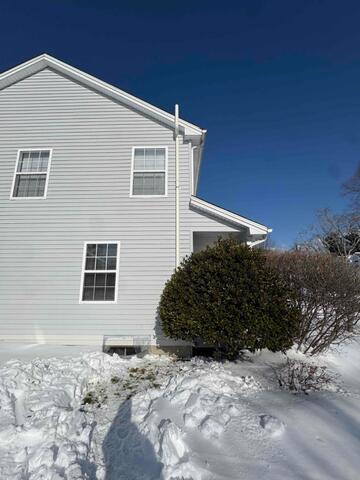
In Greenwich, we worked on a property with multiple structures, including a main home with an existing passive radon system and a separate indoor pool area without passive mitigation in place.
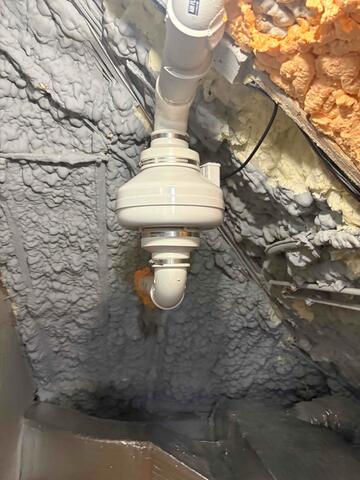
To improve performance in the main home, a radon fan was added in the attic to convert the existing passive setup into an active mitigation system. The attic area included extensive spray foam insulation, requiring careful planning for fan placement and pipe routing.
The upgrade was designed to improve airflow beneath the foundation and provide more consistent radon reduction while utilizing the existing passive piping already installed in the home.
A post-mitigation radon test kit was also left behind so updated levels can be monitored after the fan installation.
In Wilton, we reviewed a home where radon levels tested at 4.8 pCi/L during the home sale process. The property includes a crawl space beneath the house with no traditional basement foundation.
The buyer needed a clean radon report before closing in order to help move the mortgage process forward. Due to time sensitivity surrounding the closing date, a mitigation system was planned to address the elevated levels as efficiently as possible.
Based on the available information, a one-pipe radon mitigation system was recommended for the crawl space area. The system design focuses on improving airflow beneath the home while working within the limitations of the crawl space-only foundation layout.
At this stage, the evaluation and planning process was completed remotely, with final placement details to be confirmed during installation.
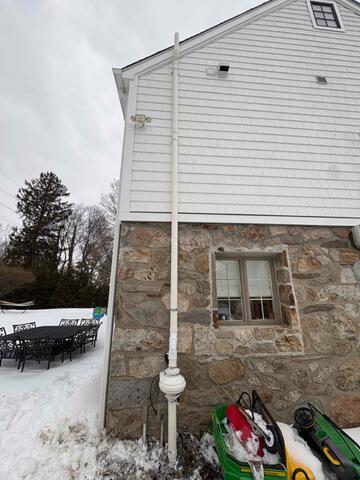
In Stamford, we evaluated a home built around 1950 where radon levels remained elevated at 7.1 pCi/L despite an existing mitigation system already being installed.
The home has a single foundation, and the current system utilizes 4-inch Schedule 20 piping. Based on the elevated readings, additional improvements were discussed to strengthen airflow beneath the slab and improve overall mitigation performance.
Potential upgrade options included replacing sections of the existing piping, adding a second extraction point to increase sub-slab coverage, or installing a second mitigation system within the utility closet area.
The visit focused on reviewing the most effective approach for lowering radon levels further while working within the layout of the existing system and foundation design.
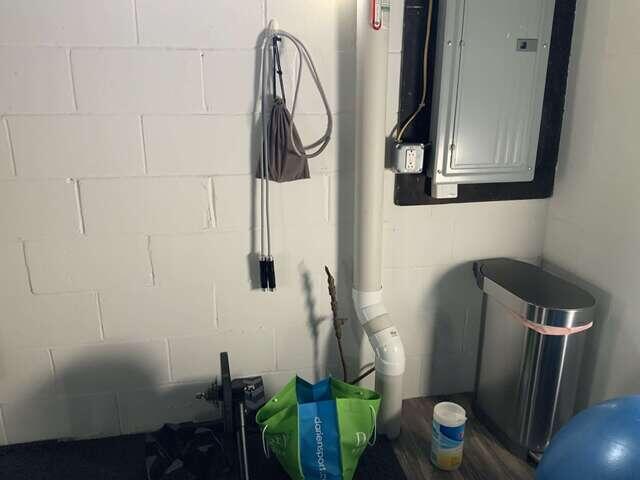
In Darien, we evaluated an existing one-pipe radon mitigation system after radon levels continued testing at 6.8 pCi/L.
The home already had an active mitigation setup with a fan installed, but additional improvements were needed to strengthen airflow and improve overall radon reduction throughout the property.
As part of the upgrade plan, a second extraction point was added in the crawl space to improve sub-slab coverage and increase airflow beneath the home. The original extraction point was also opened and cleaned out to improve system performance.
Additional sealing work included creating a custom-fitted plexiglass cover for the sump pit and sealing two smaller openings in the concrete foundation to reduce potential radon entry points.
The overall system upgrade was designed to improve suction beneath the slab while tightening the foundation and crawl space areas contributing to elevated radon levels.
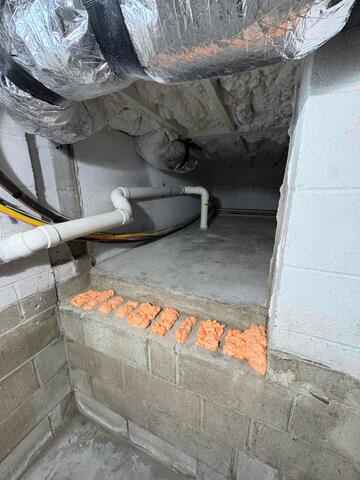
In Trumbull, we evaluated a radon mitigation system originally installed in 2005 after the homeowner reported that the fan had become noticeably louder over time.
As radon mitigation systems age, fan performance can gradually decline, and increased operational noise is often an early sign that service or replacement may be needed.
The visit focused on inspecting the existing fan and reviewing whether the issue could be addressed through service or if a replacement would provide the best long-term reliability and airflow performance.
Maintaining proper fan operation is important for keeping consistent suction beneath the foundation and supporting effective radon reduction throughout the home.
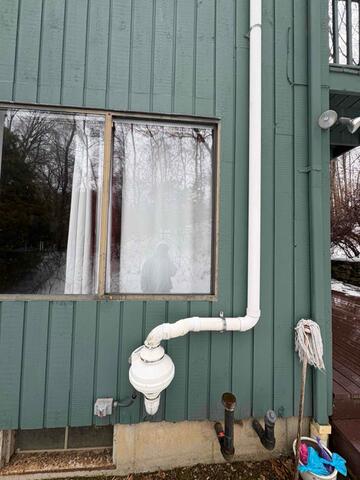
In Fairfield, we evaluated an existing radon mitigation system originally installed by a previous homeowner after concerns were raised about visible cracking in the exterior piping.
The homeowner noted that the system had last been tested approximately three years ago and wanted to determine whether additional hidden cracks or airflow issues might be affecting overall system performance.
The service visit focused on inspecting the visible piping, evaluating system airflow, and checking for signs of additional leakage or deterioration that may not be immediately visible from the exterior.
Over time, exposure to weather and aging materials can affect exterior mitigation components, making periodic inspections important for maintaining reliable radon reduction and proper airflow beneath the foundation.
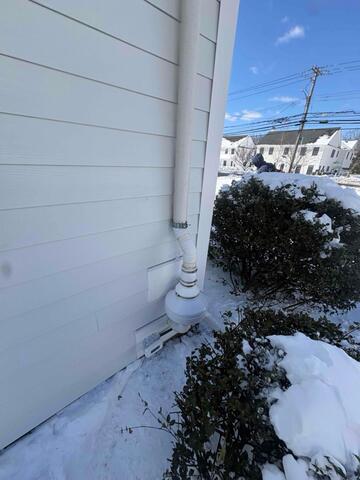
In Wilton, we evaluated a home where radon levels tested at 4.3 pCi/L after the homeowner decided she wanted to further reduce long-term indoor radon exposure.
The homeowner has lived in the property for more than two decades and noted that the home may already include a radon pipe stub installed during original construction. After reviewing the existing layout, it was determined that using the original stub location would place the system in an undesirable area of the home with difficult exterior routing and highly visible vent placement.
Instead, a cleaner and more practical mitigation layout was recommended along the left side of the home when facing the property.
The home includes a full unfinished basement with no sump pump or crawl spaces. During the consultation, accessible foundation cracks were identified for sealing to help reduce additional radon entry points throughout the basement.
The visit focused on balancing effective radon reduction with clean system placement and long-term usability within the finished living areas of the home.
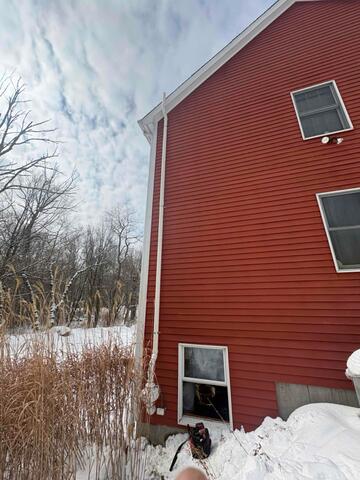
In Greenwich, we evaluated a home with radon levels testing at 6.4 pCi/L where the structure is primarily built on slab construction with one smaller foundation section.
Because the home does not include a crawl space beneath the structure and does not use radiant heat within the slab, the mitigation approach focused on exterior system placement and strategic extraction point locations to improve airflow beneath the home.
The primary design included a two-pipe mitigation system installed along the exterior near the AC units. The layout required exploratory access points to better understand the slab and foundation configuration before final extraction placement.
A secondary mitigation option was also discussed that would utilize a single extraction point positioned near the master bedroom area if field conditions required an alternate approach.
The planned extraction locations include one point near the bedroom section of the home and another beneath the window area within the original foundation section. The system design also includes a muffler to help reduce operational sound and maintain quieter performance near the living spaces.
Existing exterior electrical access is available for the fan installation, and ABS piping was selected as part of the proposed exterior routing design.
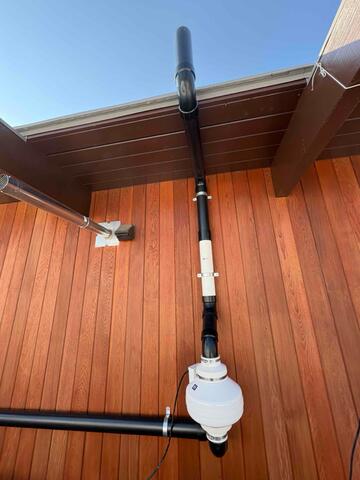
In Monroe, we reviewed a home with radon levels testing at 5.6 pCi/L and an unfinished basement foundation requiring mitigation improvements.
The basement includes a sump pump area that may require sealing enhancements to help reduce potential radon entry beneath the slab. Sealing exposed sump openings is an important part of improving overall mitigation effectiveness and strengthening airflow control beneath the foundation.
The project planning focused on improving sub-slab airflow while addressing potential entry points within the unfinished basement area.
At this stage, the consultation and layout planning were completed remotely prior to the on-site installation visit.
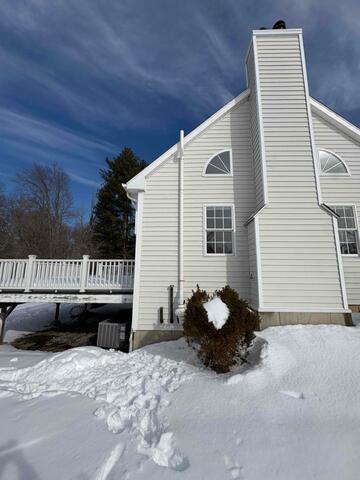
In Norwalk, we evaluated a home built around 1930 that includes both a crawl space and a concrete foundation section beneath the property.
The home does not include a sump pump or water management system, so the consultation focused primarily on understanding the crawl space and foundation layout to prepare for possible radon mitigation improvements.
Because older homes often contain multiple foundation styles and varying airflow conditions beneath the structure, the visit focused on reviewing the most effective approach for improving sub-slab communication and long-term indoor air quality.
The project planning included evaluating both the crawl space area and the concrete foundation section to determine the best mitigation strategy moving forward.
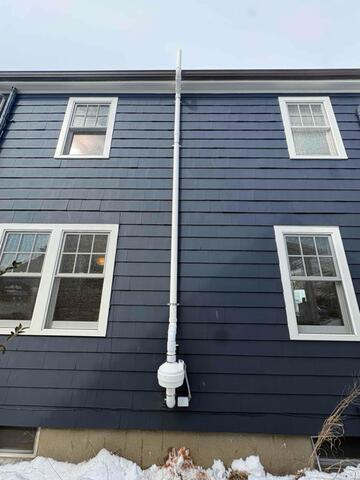
In Shelton, we worked with new homeowners preparing to move into their first home after radon levels tested at 21.1 pCi/L.
The home, built in 1992, does not include a sump pump or water management system, allowing the mitigation design to focus directly on improving airflow beneath the foundation.
Due to the elevated radon levels, a two-pipe radon mitigation system was recommended with venting planned along the right side of the home. The multi-point design was selected to improve sub-slab communication and provide broader airflow coverage beneath the foundation.
The homeowners planned to complete the on-site estimate process after moving into the property so the final system layout could be reviewed within the fully accessible home.
This project focused on helping first-time homeowners create a healthier indoor environment before fully settling into the space.
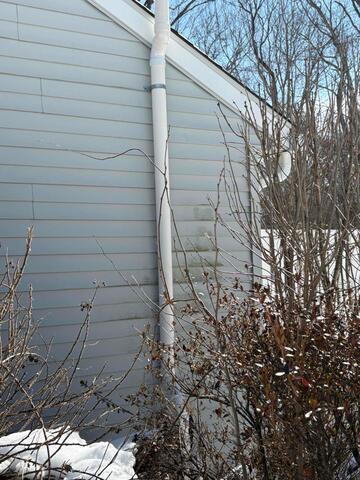
In Trumbull, we evaluated an end-unit condo after radon levels tested at 4.8 pCi/L.
The condo, built in 2002, includes a partially unfinished basement area that provided a practical location for the mitigation system installation. A one-pipe radon mitigation system was planned within the unfinished section on the right side of the home when viewed from the front of the property.
The home does not include a sump pump or water management system, allowing the mitigation design to focus directly on improving airflow beneath the slab foundation.
The planned system layout was designed to provide effective radon reduction while working cleanly within the existing basement and garage access layout of the condo unit.
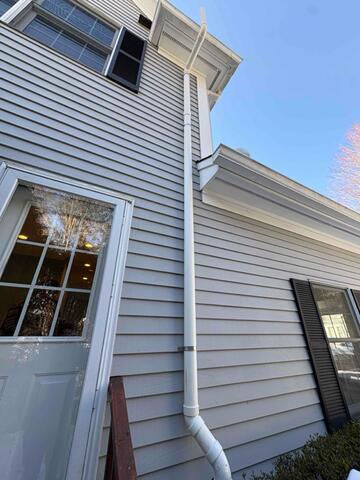
In Fairfield, we evaluated an indoor air quality system where accessible ductwork may require repair or adjustment to improve overall airflow and system performance.
The inspection focused on reviewing exposed duct sections that were accessible without opening finished walls, allowing potential airflow or connection issues to be identified more efficiently.
As part of the visit, a complimentary sanitizing treatment was also included to support cleaner indoor air circulation throughout the home.
The overall goal was to improve airflow reliability while helping maintain healthier indoor air quality within the living space.
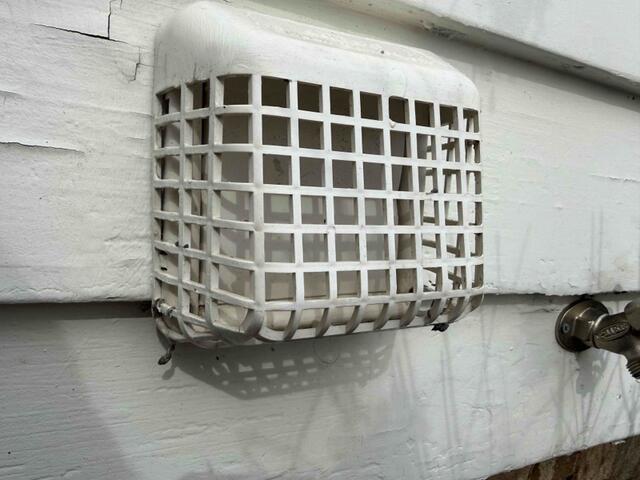
Job Story
In Fairfield, we evaluated a home with radon levels testing above 4.0 pCi/L where multiple foundation conditions were contributing to a more complex mitigation design.
The property includes a standard slab foundation area along with a separate section containing large exposed boulders beneath the home. That area, measuring approximately 23 by 13 feet, was identified for encapsulation to help isolate exposed ground conditions and improve long-term airflow control beneath the structure.
Because the home includes multiple foundation sections and varying sub-structure conditions, a minimum three-pipe radon mitigation system was recommended to provide broader airflow coverage beneath the property.
Additional radon testing was also planned in other sections of the home to better understand how radon levels may vary between the different foundation areas before final system placement is completed.
The consultation focused on developing a mitigation strategy that addresses both the slab foundation and the exposed earth and boulder section beneath the home to support improved indoor air quality throughout the property.
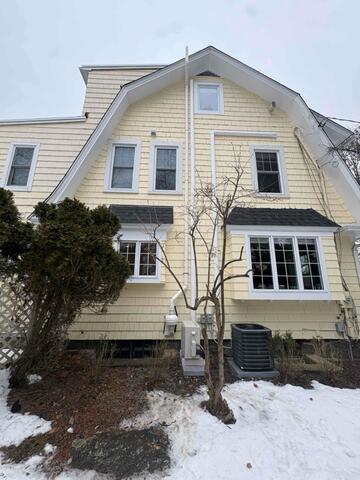
In Trumbull, we evaluated a home built in 1952 after a recent inspection identified radon levels at 10.3 pCi/L.
To improve airflow beneath the foundation and strengthen overall radon reduction, a two-point extraction mitigation system was recommended. Multiple extraction locations were reviewed during the consultation, including the possibility of placing an additional extraction point near the center of the basement area to improve sub-slab communication.
The home also included existing unused penetrations through the siding from previous piping, which may be incorporated into the final vent routing design to help minimize additional exterior modifications and maintain a cleaner installation appearance.
During the consultation, future basement waterproofing considerations were also discussed. Potential sump pump placement areas were reviewed so any future water management improvements can work alongside the radon mitigation system layout if needed later on.
The project planning focused on balancing effective airflow coverage, practical pipe routing, and long-term flexibility for future foundation improvements.
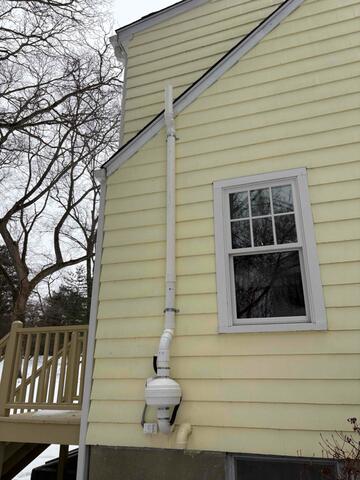
In Ridgefield, we evaluated a home built around 1900 after radon levels tested at 9.5 pCi/L.
The home includes an existing water management system around the basement perimeter, and additional sealing improvements are planned separately to help strengthen overall foundation protection and airflow control beneath the home.
A one-pipe radon mitigation system was designed with the extraction point planned near the sump area in the basement corner. The vent routing is planned toward the rear side of the home to provide effective sub-slab airflow while maintaining a clean exterior installation layout.
Because older homes often include varying foundation conditions and airflow pathways beneath the structure, the system design focused on improving long-term radon reduction while working within the existing basement and foundation configuration.
The homeowners had recently relocated from Florida and were working to improve indoor air quality as part of settling into their new home.
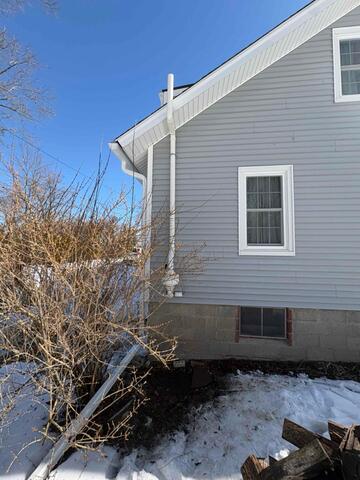
In Westport, we evaluated a home with two separate existing radon mitigation systems already installed on the property.
One system included a single extraction point but did not have a manometer installed for airflow monitoring. The second system also operated with a single extraction point and included piping running beneath an encapsulated CleanSpace area. Both exterior fans were mounted side-by-side outside the home, with one system dating back to 2012 and the other installed in 2016.
The project involved replacing both aging radon fans to improve long-term airflow performance and system reliability. In addition, both extraction points were scheduled to be cleaned to improve sub-slab communication and restore stronger airflow beneath the foundation.
During the inspection, one of the systems was found to contain standing water within the piping, indicating that drainage slope and pipe pitch would need to be evaluated and corrected if necessary to restore proper airflow conditions.
A new manometer was also planned for the single-pipe system to allow easier monitoring of system operation and suction performance moving forward.
Because groundwater conditions may also be contributing to moisture beneath the slab, future sump pump considerations were discussed as part of the long-term foundation and mitigation strategy.
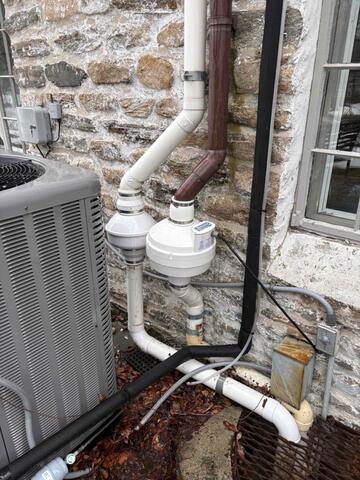
In Trumbull, we evaluated a home built in 1979 after radon levels tested at 7.9 pCi/L.
The homeowner had previously tested the property several years ago and already understood that mitigation improvements would eventually be needed to reduce long-term indoor radon exposure.
A one-pipe radon mitigation system was designed with placement planned near the basement window area to improve airflow beneath the slab while working within the existing basement layout.
The home uses a boiler and radiator heating system, which was considered during the planning process to maintain clean pipe routing and proper equipment placement throughout the utility area.
Additional testing performed in the room above the garage showed lower radon levels in that section of the home, helping provide a better understanding of how airflow conditions vary throughout the property.
The project focused on improving sub-slab airflow beneath the main foundation while creating a practical system layout that works within the existing structure.
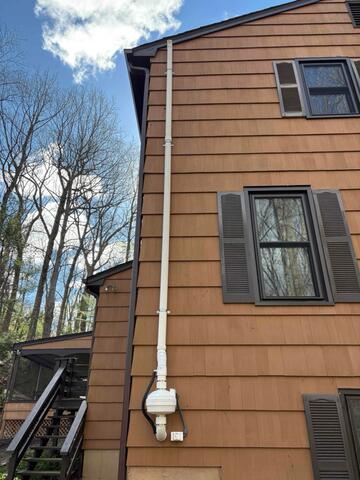
In Redding, we evaluated a vacant home after radon levels tested at an extremely elevated 67 pCi/L.
The property already included an existing one-pipe radon mitigation system, but the current fan was no longer operating, leaving the system unable to maintain active airflow beneath the foundation.
Because of the unusually high radon levels and the limitations of the original single-point design, a major mitigation upgrade was planned for the home. The updated design includes replacing the failed fan and adding four additional extraction points throughout the unfinished basement to dramatically improve sub-slab communication and airflow coverage beneath the foundation.
The home includes a single foundation with no sump pump, crawl space, or exposed earth conditions, allowing the mitigation strategy to focus entirely on strengthening airflow beneath the slab itself.
The project planning focused on transforming the existing limited system into a much stronger multi-point mitigation design capable of addressing significantly elevated radon conditions throughout the home.
Detailed system documentation and layout planning were also prepared as part of the installation process to support proper placement and long-term mitigation performance.
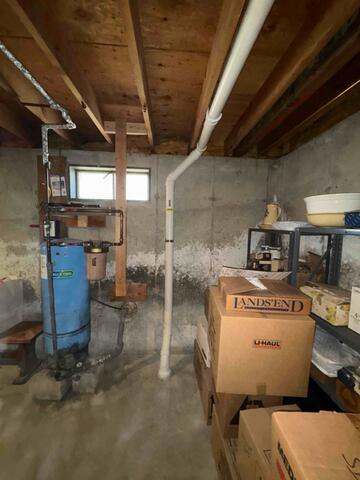
In Fairfield, we evaluated a complex radon mitigation challenge after recent testing measured radon levels at 9.4 pCi/L despite an existing mitigation system already being installed at the home.
The property includes a slab-on-grade foundation built over ledge conditions, along with multiple separate foundation sections beneath the structure. The current mitigation system is more than 14 years old and only actively addresses one portion of the home, although the fan itself was replaced approximately three years ago and remains operational.
The homeowner also located older testing records showing that radon levels had previously been roughly half of the current readings, confirming that conditions beneath the home have changed over time.
Because portions of the home include ductwork buried within the concrete slab and several isolated foundation areas, the mitigation redesign required advanced planning to improve airflow communication across multiple sections of the structure.
The updated strategy includes raising the existing fan and adding a second exterior extraction point to strengthen airflow beneath the currently mitigated slab section.
In addition, a separate three-pipe mitigation system was planned for a cinder block “bunker” area located near the boiler room at the front of the home. The layout includes two extraction points along the longer wall section and one extraction point along the shorter rear wall to improve airflow coverage within that isolated foundation area.
The project also includes exterior excavation work near the front of the house to support additional piping and fan placement for the expanded mitigation layout.
One remaining middle foundation section continues to present design limitations due to restricted access and limited locations for additional mitigation or ventilation equipment placement.
This project focused on redesigning and expanding the mitigation approach across multiple isolated foundations to improve long-term radon reduction throughout a uniquely challenging structure.
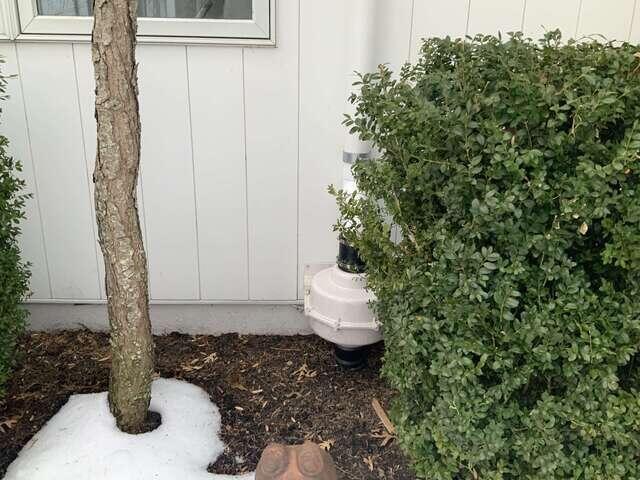
In Shelton, we evaluated a middle-unit condo after at-home radon testing showed fluctuating readings ranging from 4 to 12 pCi/L, with follow-up evaluation confirming levels around 8 pCi/L.
The condo, built in 1986, includes a mostly finished basement with one larger unfinished utility area that provided the best location for mitigation system placement.
Because the property is a middle unit, careful planning was required to design a vent routing layout that exits cleanly through the rear of the building while working within the limitations of the shared structure.
A one-pipe radon mitigation system was designed with the extraction point planned in the corner of the unfinished basement area to improve airflow beneath the slab and support long-term radon reduction throughout the condo.
The project focused on balancing effective mitigation performance with clean routing through the limited unfinished utility space available within the finished lower level.
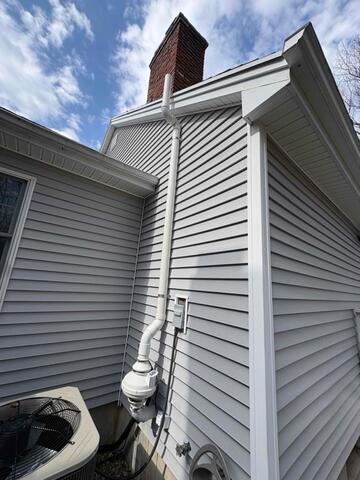
In Stratford, we evaluated a Dutch colonial home after seasonal radon testing showed significant fluctuations throughout the year, with readings around 2.5 pCi/L during the summer months and increasing to approximately 9.5 pCi/L in March.
The home includes an unfinished basement area along with two separate crawl spaces, each constructed with different foundation materials that affect airflow conditions beneath the structure.
One crawl space measures approximately 6 by 12 feet and features brick wall construction, while the second crawl space measures approximately 22 by 9 feet with older field stone wall construction.
Because homes with multiple crawl spaces and varying foundation materials often experience uneven airflow beneath the structure, a broader mitigation design was recommended to improve overall sub-slab communication.
A three-pipe radon mitigation system was planned to improve airflow coverage beneath both crawl spaces and the main foundation areas of the home. The vent routing is planned along the right side of the house to maintain a clean and practical exterior system layout.
The project focused on creating a mitigation strategy capable of addressing seasonal radon fluctuations while improving airflow beneath the home’s multiple foundation sections.
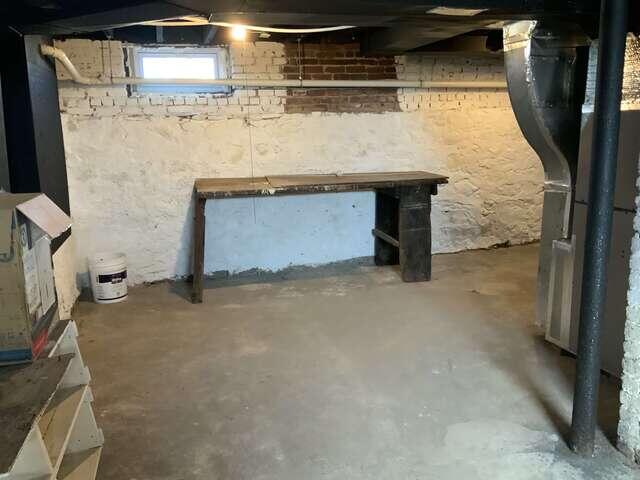
In Shelton, we evaluated a home built around 1990 after radon levels tested at approximately 5 pCi/L.
The home includes a single cinder block foundation with no crawl spaces, encapsulation systems, sump pump covers, or perimeter water management systems affecting the mitigation layout.
A one-pipe radon mitigation system was designed to improve airflow beneath the slab and provide long-term radon reduction throughout the home.
Because the foundation layout is relatively straightforward, the mitigation strategy focused on creating clean and efficient sub-slab airflow beneath the single foundation area while maintaining a practical installation design.
The homeowners were referred to us through a family connection after seeing mitigation work previously completed for another relative, reinforcing the importance of trusted local referrals and long-term indoor air quality awareness within the community.
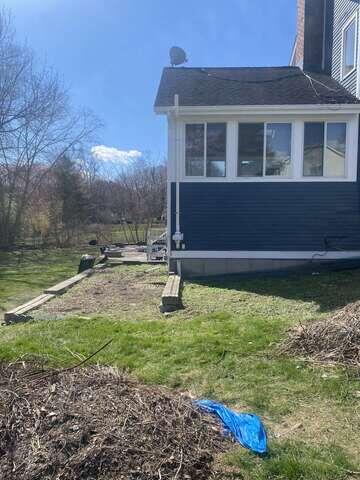
In Bethel, we scheduled a radon mitigation service visit after the homeowner reported that the system fan began making a very loud noise shortly after a new roof was installed on the home.
The homeowner was concerned that the recent roofing work may have affected the fan mounting, exterior piping, or vent connection near the roofline, potentially causing vibration or contact issues during operation.
The service visit will focus on inspecting the fan, mounting points, and vent system to determine whether the issue is related to installation movement, vibration against the home, or normal fan wear requiring replacement.
The homeowner also mentioned uncertainty regarding previous radon testing history and wanted to ensure the mitigation system continues operating properly to maintain healthy indoor air quality throughout the home.
The project is centered on restoring quiet, reliable mitigation performance while carefully evaluating any changes that may have occurred during the recent roof replacement work.
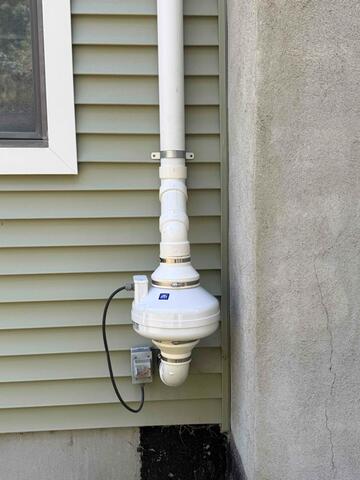
In Westport, we evaluated an existing radon mitigation system after additional testing showed elevated readings in multiple areas of the home.
Two separate radon tests were completed — one within the finished basement area, which measured approximately 7 pCi/L, and another within the unfinished section of the basement, which measured approximately 11.7 pCi/L.
The home currently operates with a two-point mitigation system, including one extraction point in the unfinished basement and another connected to an older encapsulated crawl space beneath the home.
Because the current mitigation fan is no longer functioning properly and elevated readings remain throughout multiple foundation sections, a broader system upgrade was recommended to improve long-term airflow performance beneath the structure.
The updated plan includes replacing the failed mitigation fan and adding a third extraction point within the finished basement foundation area. The new extraction point will require drilling through a concrete wall to improve sub-slab communication across the separate basement sections.
The encapsulated crawl space will also be inspected during the visit to verify that the vapor barrier remains securely attached and continues providing proper airflow control beneath the crawl space area. If deterioration or separation is identified, additional repair or replacement recommendations may be provided.
The project focused on restoring reliable system operation, expanding airflow coverage beneath all foundation sections, and evaluating the condition of the older crawl space encapsulation system to improve long-term indoor air quality throughout the home.
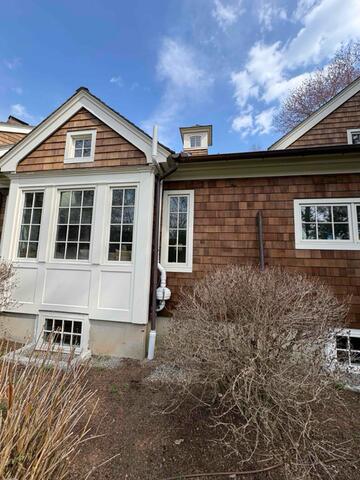
In Southport, we evaluated a home built around 1946 after radon levels tested at approximately 4.5 pCi/L despite an existing mitigation system already being installed.
The home includes a single cinder block foundation with no crawl spaces, sump systems, or perimeter water management systems affecting the mitigation layout.
The current radon mitigation system was originally installed by a previous homeowner and includes 4-inch piping routed through the basement and upward through the home into the attic space.
The existing fan, however, is currently located within the basement area.
During the consultation, several system improvements were recommended to strengthen long-term performance and improve the overall layout of the mitigation system.
The planned work includes repairing sections of the existing 4-inch basement piping, cleaning out the current extraction point to improve airflow communication beneath the slab, and relocating the mitigation fan from the basement into the attic area where the vent system transitions into 3-inch piping.
Relocating the fan to the attic will help improve overall system configuration while maintaining cleaner airflow management throughout the home.
The project focused on upgrading and refining the existing mitigation system to improve long-term airflow performance and indoor air quality protection throughout the property.
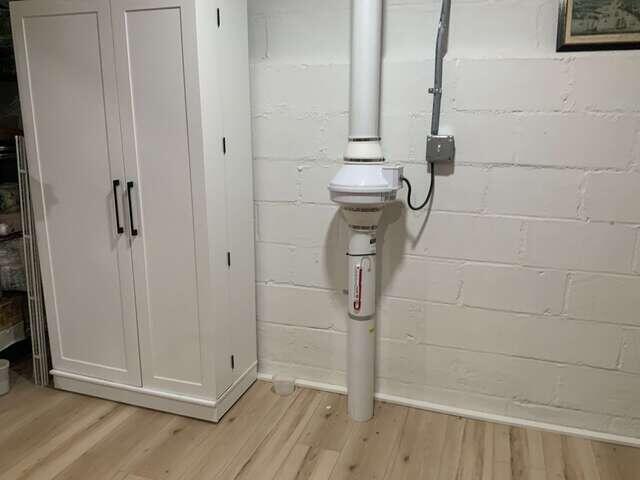
In Stratford, we evaluated a two-story colonial home built around 2001 after radon levels tested at approximately 25 pCi/L — even with windows open during portions of the testing period.
The home includes an unfinished basement with no crawl spaces or sump systems affecting the mitigation layout. The homeowner also previously invested in a high-end basement dehumidification system to help maintain healthier conditions within the lower level of the home, which is used regularly as a workout and exercise space.
Because the basement is actively occupied on a daily basis, improving long-term indoor air quality within the space was especially important during the mitigation planning process.
A two-point radon mitigation system was recommended to improve airflow communication beneath the slab and provide broader coverage beneath the basement footprint.
The planned layout includes one extraction point positioned near the gym area and a second extraction point located closer to the chimney section of the basement. The vent routing is planned along the left side of the home with the exterior piping positioned behind the chimney area to maintain a cleaner appearance.
The project focused on creating stronger sub-slab airflow beneath the frequently used basement area while improving long-term indoor air quality throughout the home.
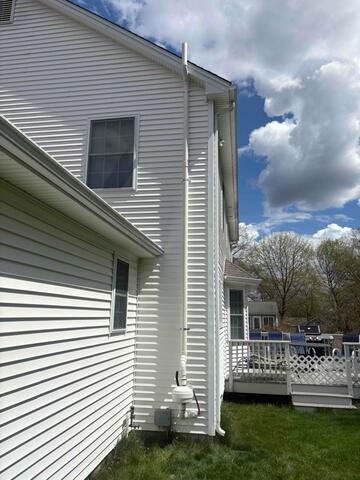
In Wilton, we evaluated a home after radon levels tested at approximately 11 pCi/L shortly after the property was purchased.
The new homeowner wanted the mitigation work completed before moving into the home to help improve indoor air quality from the start of occupancy.
The property includes three separate foundation sections, including two concrete crawl spaces and one primary basement foundation area. Because homes with multiple foundation sections often experience uneven airflow beneath the structure, a broader mitigation layout was recommended to improve long-term radon reduction performance.
A three-point radon mitigation system was designed with vent routing planned along the left side of the home. Within the main basement foundation, the primary system placement was planned behind the basement stair area to maintain a clean and practical installation layout.
During the consultation, portions of the lower-level areas were also identified as candidates for future encapsulation improvements to further strengthen airflow control beneath the home. Separate planning and pricing discussions were completed for those future encapsulation phases, though the initial work will focus only on the mitigation system installation itself.
The project focused on creating strong airflow communication beneath all three foundation sections while preparing the home for healthier long-term indoor air conditions prior to move-in.
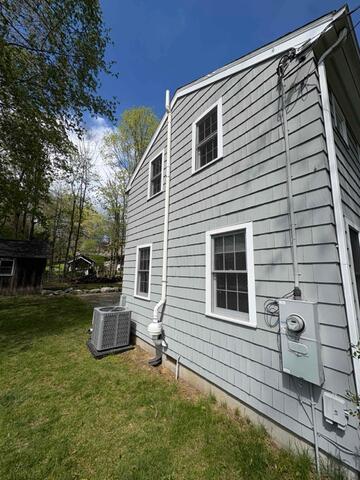
In Wilton, we evaluated a home built around 1985 after the homeowner continued experiencing elevated radon levels around 5.2 pCi/L despite already having an active mitigation system in place.
The homeowner explained that multiple previous mitigation attempts had already been made, including recent service work involving fan replacement, sump sealing, and vent pipe adjustments.
Additional waterproofing and basement system recommendations had also been discussed by other contractors, but the radon levels remained higher than the homeowner was comfortable with.
Because the homeowner works from home and spends significant time inside the property each day, finding a dependable long-term solution was especially important during the consultation.
The existing system currently operates with a single extraction point and an XP201 fan. After reviewing the airflow conditions and ongoing radon readings, additional system expansion was recommended to improve sub-slab communication beneath the home.
The updated plan includes adding a second extraction point within the utility room area toward the front portion of the house to improve airflow coverage beneath additional sections of the foundation.
The existing fan setup will also be reevaluated during the visit to determine whether upgrading to a stronger fan model may improve overall suction performance and help strengthen long-term radon reduction throughout the home.
The project focused on expanding the existing mitigation system and refining airflow performance to provide a more effective long-term indoor air quality solution.
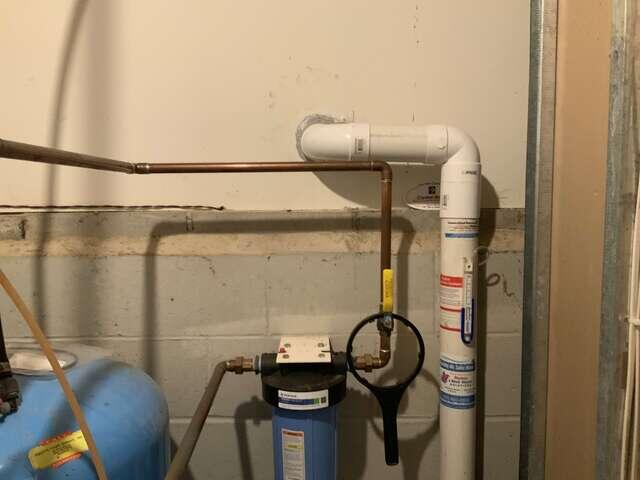
In Easton, we evaluated a home built around 1961 that is currently being prepared for sale after a previous transaction fell through.
Although the original deal did not move forward, the homeowner still elected to proceed with radon mitigation improvements to help strengthen the property’s market readiness and improve long-term indoor air quality conditions for future buyers.
The home does not include a sump pump or perimeter water management system, allowing for a more straightforward mitigation layout beneath the foundation.
A one-pipe radon mitigation system was planned with the extraction point positioned in the rear corner of the basement and vent routing directed along the left side of the home to maintain a clean exterior appearance.
Because the property is currently vacant, the installation planning focused on creating an efficient mitigation setup while preparing the home for future listing activity and buyer confidence moving forward.
The project centered on improving airflow beneath the foundation and preparing the property for healthier indoor air conditions ahead of the next sale opportunity.
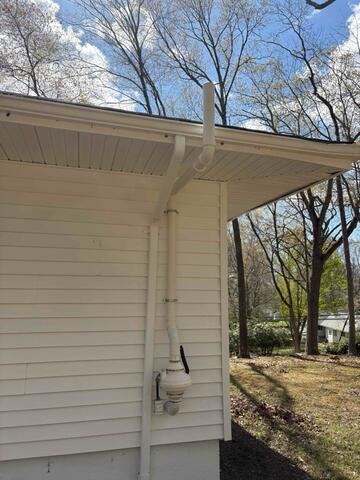
In Stratford, we reviewed a home after radon testing measured approximately 8 pCi/L, indicating the need for a mitigation system to improve long-term indoor air quality.
Based on the information provided, a one-pipe radon mitigation system was planned with the primary extraction point located within a bedroom closet area. This location offers a practical pathway for creating sub-slab airflow while helping maintain a clean and discreet system layout within the home.
The mitigation strategy focuses on creating negative pressure beneath the foundation to safely collect and vent soil gases before they can enter the living space.
Because the consultation information was provided remotely, the final installation layout will be confirmed during the installation visit to ensure the most effective routing and airflow performance.
A Continuous Radon Monitor (CRM) will also be left on site following installation to verify system performance and document post-installation radon levels.
The project focused on creating a straightforward and effective mitigation solution to reduce radon levels and improve indoor air quality throughout the home.
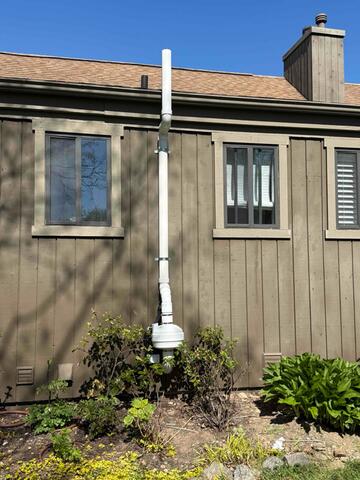
In Stratford, we evaluated a condominium built around 1977 after radon testing measured approximately 4.9 pCi/L during the sale process.
With a closing date scheduled for May 13, the mitigation planning focused on creating an effective system layout while complying with homeowners association requirements regarding exterior pipe placement.
A one-pipe radon mitigation system was recommended to improve sub-slab airflow and reduce radon levels within the unit. During planning, it was noted that the preferred installation location near the golf course side of the building would not meet HOA requirements. As a result, the vent routing was redesigned so the system exits toward the rear of the building.
The revised layout maintains mitigation performance while providing a cleaner appearance that aligns with community guidelines.
To verify system performance after installation, a Continuous Radon Monitor (CRM) will be left on site to document post-installation radon levels and confirm proper operation.
The project focused on improving indoor air quality while accommodating HOA requirements and supporting the upcoming closing timeline.
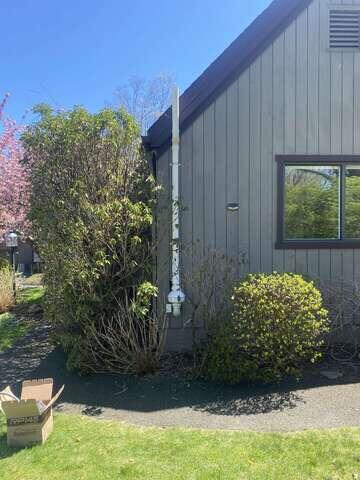
In Shelton, we evaluated a ranch-style home after radon testing measured approximately 22 pCi/L. The homeowners recently received elevated results from a radon test kit we supplied and wanted to address the issue before settling into the home.
The property consists of three separate foundation sections, including a concrete crawl space, the main foundation area, and multiple additions that require independent airflow coverage beneath the structure.
Because of the home's complex foundation layout and elevated radon levels, a five-point radon mitigation system was recommended to provide balanced sub-slab depressurization across all sections of the home.
The planned design includes one extraction point within the concrete crawl space, two extraction points serving the main foundation area, and two additional extraction points within the foundation sections beneath the additions. This multi-point approach will help improve airflow communication beneath all portions of the structure and provide more consistent radon reduction throughout the home.
The property also includes a sump pit that will require a custom cover as part of the mitigation project. Since the sump is not equipped with a submersible pump, special attention will be given to maintaining accessibility and proper operation while improving soil gas control around the opening.
The vent system is planned to exit along the left side of the home, creating a clean installation while safely venting radon gases above the roofline.
The project focused on providing comprehensive coverage across all foundation sections and creating a long-term solution for reducing radon levels throughout the home.
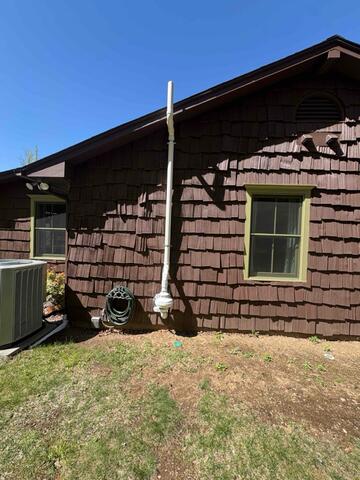
In Westport, we planned the installation of an Energy Recovery Ventilator (ERV) to improve air circulation and overall indoor air quality throughout the home's lower levels.
The system design includes a fresh air intake and exhaust connection serving the main foundation area, along with a dedicated exhaust branch designed to pull air from the crawl space. This approach helps promote balanced air exchange while reducing stagnant air conditions in both the basement and crawl space environments.
The installation will require approximately 150 feet of ductwork to properly connect the intake, exhaust, and crawl space ventilation pathways. Two exterior vent terminations will also be installed to allow the ERV to bring in fresh outdoor air while exhausting stale indoor air.
By continuously exchanging indoor and outdoor air, the ERV will help improve ventilation efficiency and support healthier indoor air conditions throughout the home.
A Continuous Radon Monitor (CRM) will be left on-site following installation to document post-installation conditions and verify system performance.
The project focused on improving whole-home ventilation, enhancing crawl space air movement, and creating healthier long-term indoor air quality conditions.
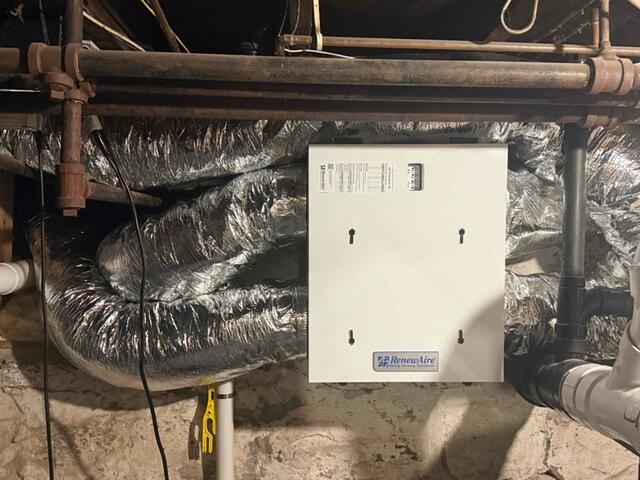
In New Canaan, we revisited a home where a radon mitigation fan was replaced approximately one month ago. Following the fan replacement, the homeowner completed additional testing and measured a radon level of approximately 3.7 pCi/L.
While the current level is below the EPA action guideline, the homeowner would like to further reduce radon concentrations and improve system performance throughout the home.
The existing mitigation system currently operates with a single extraction point. During the evaluation, it was determined that the home includes both a crawl space and an additional foundation section that are not currently being actively mitigated.
To improve sub-slab and sub-membrane airflow communication throughout all foundation areas, two additional extraction points were recommended. One extraction point will be installed within the crawl space to address that isolated section of the home, while a second extraction point will be added within the closet area that contains the sump pump to improve airflow beneath the separate foundation section.
By expanding the system from a single-point design to a multi-point configuration, the mitigation system will be better positioned to create balanced pressure beneath all areas of the home and further reduce radon levels over time.
The project focuses on fine-tuning an already functioning mitigation system and improving coverage across multiple foundation sections to achieve lower long-term radon readings.
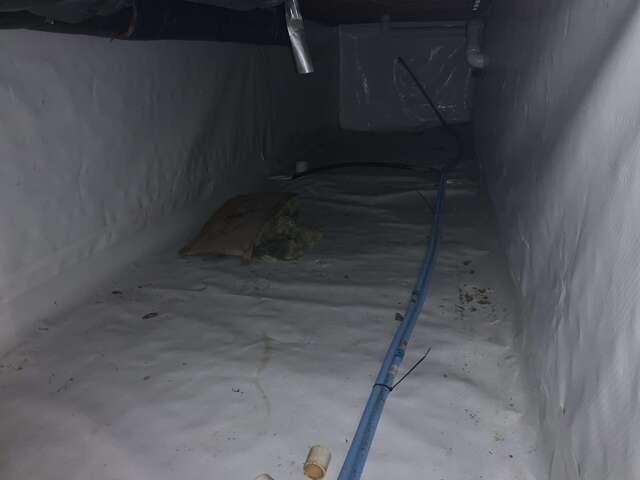
In Trumbull, we evaluated a home built in 1979 after the homeowner continued to experience radon levels around 8 pCi/L despite having an existing mitigation system installed by another contractor.
The home includes three separate foundation sections: a main concrete foundation, a slab-on-grade section, and a crawl space. The property also has a sump pump and water management system, with the water guard already properly sealed.
The homeowner expressed concerns about the performance of the existing mitigation system and felt it was not adequately addressing the home's radon issues. Because radon levels remain above the homeowner's target range, a complete redesign of the mitigation strategy was recommended.
The plan includes removing the existing mitigation system and replacing it with a four-point extraction system designed to provide comprehensive coverage across all foundation sections. Two extraction points will serve the main foundation, one extraction point will address the slab section through the existing opening into the garage area, and a fourth extraction point will be installed within the crawl space.
The new system will utilize an interior pipe run through the garage and attic areas to create a cleaner appearance while improving airflow communication beneath all portions of the structure.
Following removal of the existing system, the basement penetration associated with the previous installation will be properly addressed, while the homeowner plans to complete repairs to the exterior opening left by the former system.
The project focuses on replacing an underperforming mitigation design with a comprehensive multi-point system intended to provide stronger sub-slab communication and improved long-term radon reduction throughout the home.
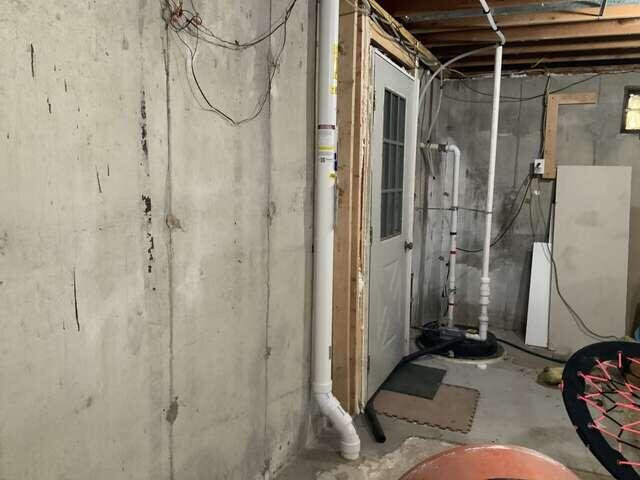
In Bridgeport, we evaluated a ranch-style home built on a slab foundation after radon testing measured approximately 5.1 pCi/L.
The homeowner is currently in the process of moving into the property while simultaneously completing renovation work, making this an ideal time to address radon mitigation before all construction and finishing work is completed.
The home includes a main slab foundation and an addition, requiring a two-point mitigation approach to effectively address both sections of the structure. During the consultation, we discussed two installation options: an interior pipe run and an exterior pipe run.
For the interior option, the second extraction point would require access into the main house area, and temporary plywood would be needed to safely reach the installation location during construction. This approach would keep more of the system concealed within the structure.
The exterior option would utilize a two-pipe system with routing along the right rear corner of the home, creating a horizontal connection between extraction points while maintaining effective coverage beneath both foundation sections.
Both options were reviewed with the homeowner, including the benefits and installation considerations of each approach. The final routing method will be selected based on the homeowner's preference and renovation plans.
The project focuses on reducing radon levels while coordinating mitigation work with the home's ongoing renovation process.
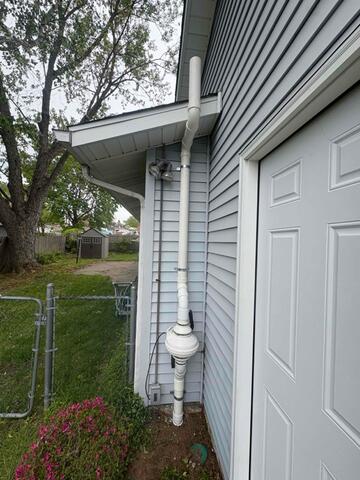
In Newtown, we evaluated a home after radon testing measured approximately 23.8 pCi/L, indicating that the existing mitigation system requires significant improvements to restore effective radon reduction.
The home currently has a one-pipe radon mitigation system constructed with 4-inch piping. During the evaluation, it was determined that the existing radon fan is no longer operating, preventing the system from creating the suction necessary to control radon beneath the foundation.
Because the lower level is fully finished and the radon level remains elevated, a more comprehensive approach was recommended. In addition to replacing the failed fan, a second extraction point will be added in the front closet area of the home. Expanding the system from a single extraction point to a two-point design will improve airflow communication beneath the foundation and provide more balanced pressure across the structure.
The upgraded system is designed to significantly improve mitigation performance and reduce radon levels throughout the home.
During the visit, we will also discuss air duct cleaning options with the homeowner as part of a broader indoor air quality conversation.
The project focuses on restoring system performance, expanding foundation coverage, and creating a healthier indoor environment through improved radon mitigation.
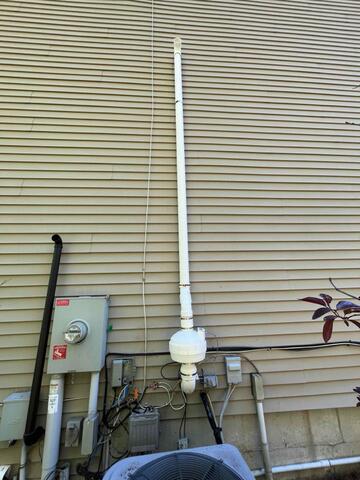
In Fairfield, we evaluated a home where the homeowner is looking to further reduce radon levels that are currently measuring in the 3 pCi/L range.
The property already has multiple active radon mitigation systems in place, including a dedicated system serving the in-law area and a two-point system located in the boiler room. While the existing systems have been effective in significantly lowering radon levels, the homeowner would like to pursue additional reductions.
Because the home is constructed on a slab foundation, an additional extraction point was recommended in the office closet area. This location will help target a portion of the slab that is not currently being directly addressed by the existing mitigation systems.
Electrical access is readily available for the installation, with both an exterior outlet and an outlet located near the proposed closet extraction point. This provides flexibility in designing the most efficient and clean installation.
By adding a dedicated mitigation point in the office closet, the system will provide additional pressure field coverage beneath the slab and help further reduce radon concentrations throughout the home.
The project focuses on fine-tuning an already successful mitigation strategy and achieving even lower radon levels through expanded slab coverage.
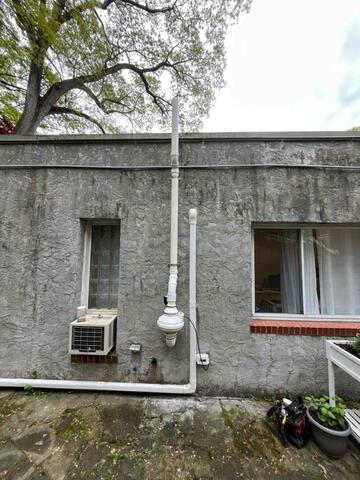
In Fairfield, we evaluated a colonial-style home built around 1960 after radon testing measured approximately 11.7 pCi/L.
The home has a complex foundation layout consisting of four separate foundation sections, including a dirt-floor crawl space and multiple slab and basement areas. Because each section can contribute independently to radon entry, a comprehensive mitigation approach was recommended.
The design includes a five-point radon mitigation system to provide balanced pressure field coverage across all foundation areas. Two extraction points will serve the main basement foundation, one extraction point will be installed within the dirt crawl space, a fourth extraction point will serve the slab area beyond the crawl space, and a fifth extraction point will be installed on the right side slab section of the home.
The dirt crawl space, measuring approximately 9 feet by 6 feet, will also be professionally encapsulated. Encapsulation helps isolate the crawl space from surrounding soil conditions, reduces soil gas entry, and improves the effectiveness of the radon mitigation system.
The vent system is planned to exit along the right side of the home, providing a clean installation while serving all foundation sections through a coordinated mitigation design.
With multiple foundations and elevated radon levels, the combination of encapsulation and a multi-point mitigation system will provide comprehensive coverage and improved long-term indoor air quality throughout the home.
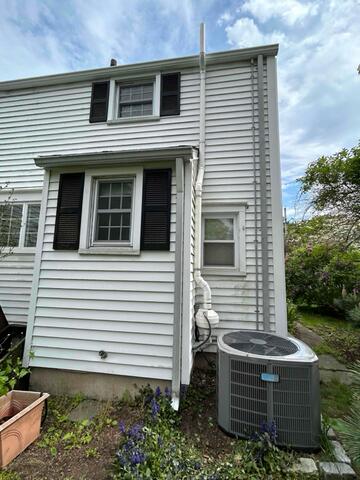
In Greenwich, we evaluated a home that is currently being prepared for sale after radon testing measured between 6.5 and 7.6 pCi/L. The testing was completed as part of a pre-listing process, giving the homeowner an opportunity to address the radon concern before the property goes on the market.
The home is approximately 100 years old and features a tall basement with multiple foundation areas requiring mitigation coverage. Because of the home's age and layout, a three-point radon mitigation system was recommended to provide balanced sub-slab depressurization throughout the structure.
The system design includes two extraction points within the main foundation area and a third extraction point serving the front foundation section.
One extraction point will be located near the oil tank, a second near the furnace, and the third within the front foundation area of the home.
During the consultation, it was noted that the basement contains a significant amount of stored belongings. The homeowner was advised that the work areas should be cleared prior to installation to provide safe access and ensure efficient completion of the project.
Due to the height of the basement and planned vent routing, a tall ladder will be required for installation.
The project focuses on reducing radon levels before the home is listed for sale while providing comprehensive coverage for this historic property's multiple foundation areas.
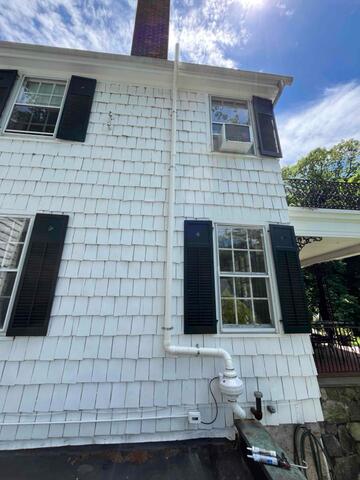
In Greenwich, we evaluated a colonial-style home built in the 1920s after radon testing measured approximately 8.0 pCi/L.
The home features a finished basement, a small crawl space, and no sump pump. Because older homes often contain multiple pathways for soil gas entry, a mitigation design was developed to effectively address the foundation while minimizing the impact on finished living areas.
A one-point radon mitigation system was recommended, with the extraction point located near the oil tank in the basement. This location provides access to the foundation while helping maintain a clean and efficient installation.
The vent system is planned to exit on the street side corner of the house near the gutter. To help the exterior piping blend with the home, the vent route will be positioned behind the existing tree where practical before continuing up the exterior of the home.
The small crawl space will also be considered during installation to ensure adequate pressure field communication throughout the foundation system.
Due to the height of the home and the planned vent route, a tall ladder will be required to safely complete the installation and terminate the system above the roofline.
The project focuses on reducing radon levels, preserving the appearance of the home, and improving indoor air quality through an efficient mitigation design.
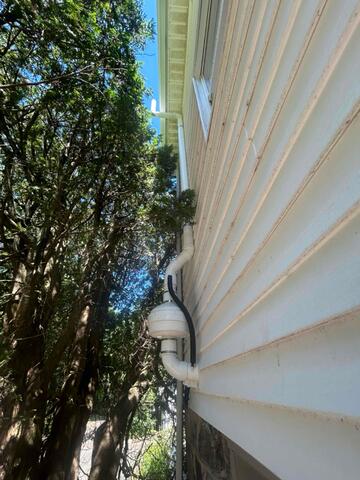
In Danbury, we evaluated a split-level home after radon testing measured approximately 4.5 to 4.7 pCi/L.
The home features a partially finished basement with no crawl space and no sump pump. During the consultation, a unique basement feature was identified: an open rock-filled drainage pit that is currently used to receive condensate discharge from the dehumidifier. Because exposed soil and stone areas can allow soil gases to enter the home, this opening will need to be properly covered as part of the project.
We discussed both one-point and two-point radon mitigation system options with the homeowner. Final system selection will be determined based on the homeowner's preference and installation considerations. Regardless of the system configuration chosen, the vent piping will exit along the left side of the home, with the homeowner identifying the preferred final pipe location on installation day.
To address the exposed drainage pit, a custom plexiglass cover measuring approximately 28 inches by 25 inches will be installed. The cover will include a drilled opening to allow the dehumidifier hose to continue draining into the pit while helping to isolate the area from the basement environment.
The project focuses on reducing radon levels, controlling potential soil gas entry points, and improving overall indoor air quality within the home.
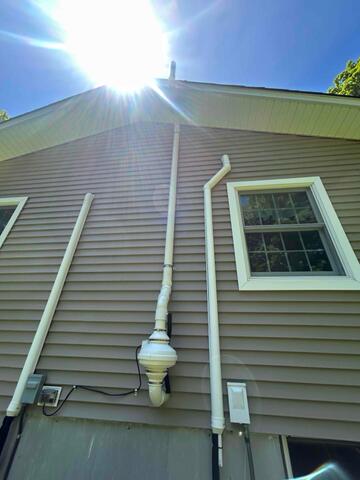
In Ridgefield, we completed a radon system upgrade for a homeowner who wanted additional protection despite radon levels testing at approximately 3.4 pCi/L. The existing mitigation system was operating with an aging fan believed to date back to around 2001, making reliability and long-term performance a concern.
As part of the project, the existing radon fan was replaced to restore system efficiency and improve overall performance. The home also contained two dirt-floor crawl spaces, measuring approximately 8' x 8' and 10' x 10', both constructed with cinder block walls. To improve radon collection from these areas, the crawl spaces were incorporated into the mitigation design and connected to the existing system with dedicated piping.
The completed upgrades enhanced the home's radon protection by improving system reliability, expanding foundation coverage, and addressing potential radon entry pathways within the crawl spaces.
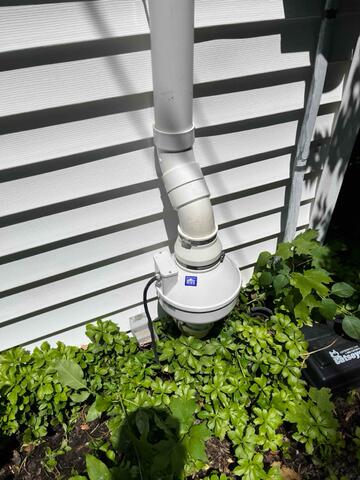
In Stratford, a homeowner elected to address elevated radon levels with a professionally designed mitigation system. After evaluating the foundation layout and venting options, a one-point radon mitigation system was recommended to provide effective sub-slab depressurization and long-term radon reduction.
The extraction point will be strategically placed to maximize communication beneath the slab, and the vent piping will be routed toward the rear of the home on the golf course side to provide a clean and discreet installation. The system is designed to safely collect radon gas from beneath the foundation and vent it above the roofline, helping to improve indoor air quality and reduce long-term radon exposure.
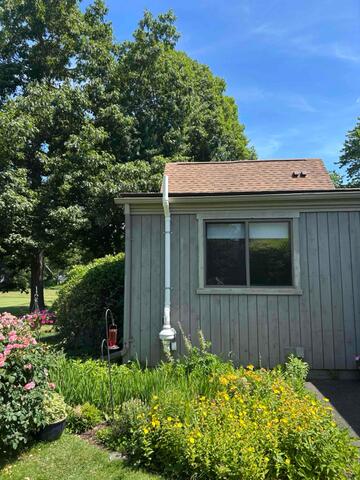
In Botsford, a homeowner elected to address elevated radon levels after testing measured approximately 7.0 pCi/L in the basement and 4.5 pCi/L on the upper living floors. The home, built around 1988, contains three separate concrete foundation areas, requiring a comprehensive mitigation approach to effectively reduce radon throughout the structure.
The property does not have a sump pump or water management system. During the evaluation, an abandoned chimney opening measuring approximately 20" x 55" was identified within one of the foundation areas. This opening will need to be filled and sealed with concrete to eliminate a potential pathway for soil gas entry and improve overall system performance.
Due to the multiple foundation sections, a three-point radon mitigation system was recommended to provide effective communication across all foundation areas. The homeowner requested that the vent piping exit on the left side of the home toward the rear, with the exterior penetration located in the foundation corner near the crawl space area.
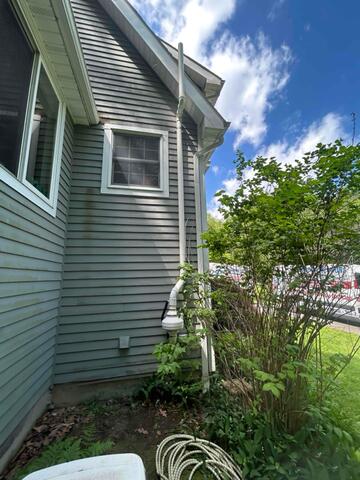
In Lakeville, the owners of a 1952 Colonial decided to address elevated radon levels after testing measured 6.0 pCi/L. The home features a combination of a partially unfinished basement, a concrete crawl space, and a finished area with a sump pump, requiring a customized mitigation approach to provide comprehensive coverage.
A two-point radon mitigation system was recommended to effectively reduce radon levels throughout the home's multiple foundation areas. One extraction point will be installed in the concrete crawl space, while the second will be located in the main basement on the opposite side of the crawl space. The vent piping will be routed out of the home behind the chimney on the driveway side, providing an efficient and discreet installation.
The home also has a sump pump located in a closet within the finished basement. The existing sump cover will be sealed, and spray foam will be applied around the cover to help reduce radon entry while maintaining the integrity of the mitigation system.
By combining multiple extraction points with foundation sealing, this system is designed to provide reliable, long-term radon reduction across the home's basement and crawl space.
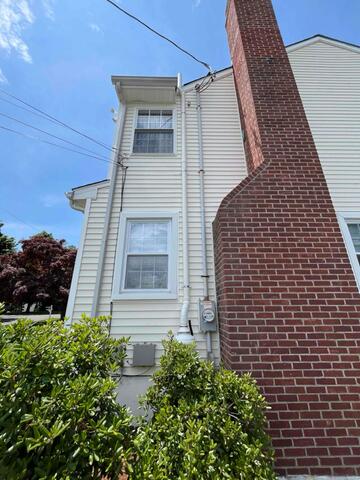
In Old Greenwich, the home tested at 9.9 pCi/L and has one main foundation and three crawl spaces. One of the crawl spaces is a dirt crawl space measuring approximately 18' x 2.5', with concrete walls rather than fieldstone.
A four-point radon mitigation system is planned to provide coverage throughout the home's different foundation areas. The extraction points will be installed in the main foundation under the stairs, the first crawl space next to it, the dirt crawl space, and the fourth crawl space on the right side of the home.
The dirt crawl space will also be encapsulated as part of the project. The completed radon system will exit the right side of the house, providing a centralized and effective venting route.
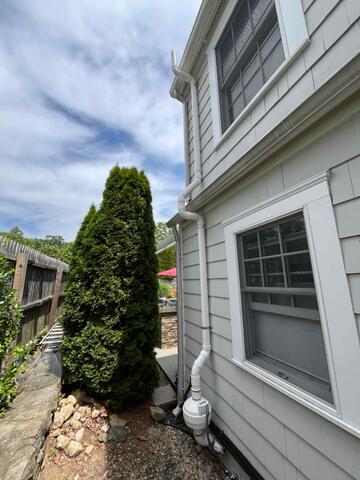
In Southport, the homeowner had been monitoring radon levels averaging between 5 and 10 pCi/L. The home is a Contemporary Cape with a partially finished basement, no crawl space, and no sump pump.
The home already had a radon mitigation system with an older fan that had never been serviced. As noted in the completion notes, the project was completed as a Radon Fan Replacement, upgrading the system with a new fan to restore reliable operation and maintain effective radon reduction.